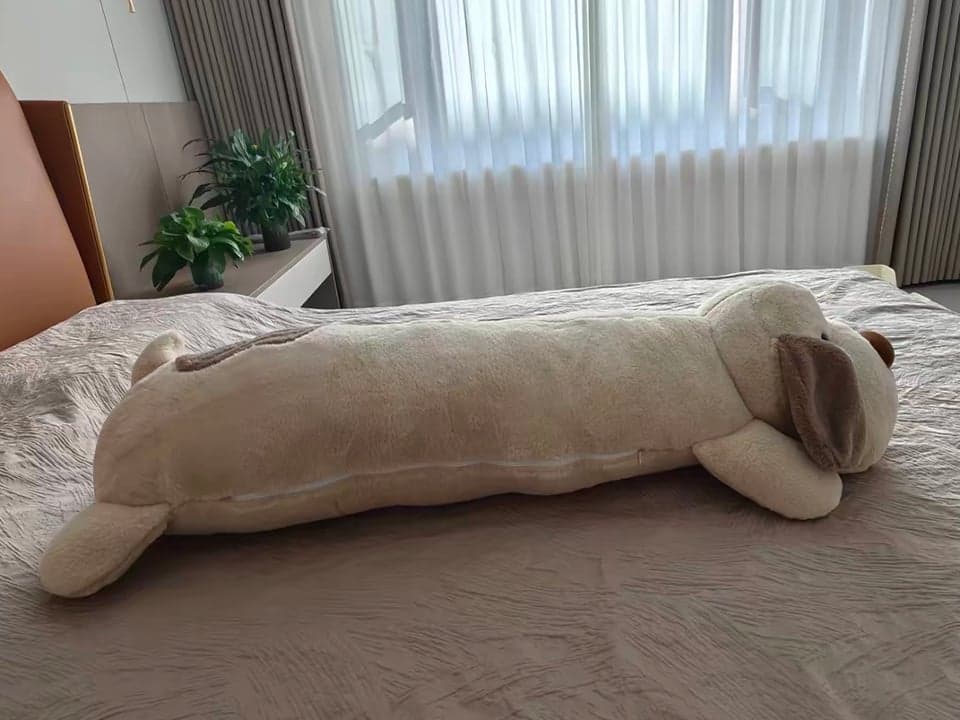
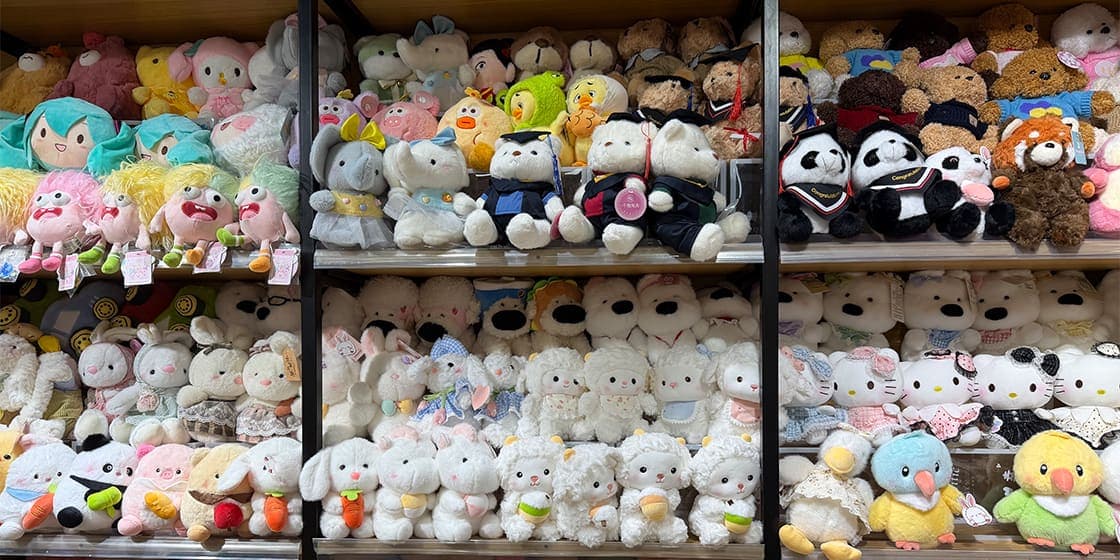
How to Wash & Care for Plush Toys (and How Brands Spec Washability)
Safely wash any plush — by type, step by step — plus dust-mite and allergy care, drying without damage, care labels, and how brands design plush to be washable.

A plush toy is the one thing a child drools on, sleeps with and drags through the dirt — and the one thing people are most afraid to clean. The fear is fair: a hot wash can melt the fur, a dunked sound box dies, and beads clump forever. So this guide does two things competitors don't: it tells you exactly how to clean each type of plush safely, and — if you make plush — how to design it to be washable and label it correctly.
Before you wash: read the label & check the toy
Thirty seconds of checking saves a ruined toy. Read the sewn-in care label first — it's the final word — then look the toy over for batteries or a sound box, glued-on parts, foam or bead/pellet filling, and loose seams. Each of those changes the method.
Which cleaning method for which plush?
Not all plush wash the same way. Match the method to the build:
| Plush type | Best method | Never |
|---|---|---|
| Standard polyester plush | Machine wash in a mesh bag, gentle, cold/30°C | Hot wash, high-heat dry |
| Electronic / battery / sound | Surface clean only (remove batteries first) | Submerge or rinse |
| Foam-filled | Spot-clean or gentle hand wash | Machine agitation (foam crumbles) |
| Bean / pellet-filled | Spot-clean or hand wash | Machine wash (beads clump & shift) |
| Delicate long-pile / mohair / antique | Hand or surface clean | Machine wash |
Step by step: how to safely wash a plush toy
For a standard, machine-safe plush, here's the gentle method that protects fabric, stuffing and shape:
- 1Check label & toyBatteries, glued parts, foam/beads, seams
- 2Remove non-washable partsBatteries, electronic/weighted inserts
- 3Spot-test & pre-treatHidden area first; blot stains
- 4Wash gentlyMesh bag · gentle · cold–30°C · mild detergent
- 5Air-dry & reshapeRoom temp; reshape damp; brush pile
Drying without damage
Heat is the number-one killer of plush. Synthetic pile softens, melts and mats with high heat, the stuffing shrinks, and the shape warps — permanently. Air-dry by default: hang or lay flat at room temperature. Only if the label allows it, use a no-heat or low-heat air-fluff setting. Once dry, brush the pile gently in its natural direction with a soft brush to refluff matted fur.
Disinfecting & allergy care: dust mites the right way
For an allergy or asthma household, this is the section that matters. The allergen in a stuffed animal isn't really the dust mite — it's the mites' droppings and debris. Two methods:
- Hot wash — the most effective. The Asthma and Allergy Foundation recommends hot water of at least 130°F, while the American Lung Association says at least 120°F (≈49–54°C) — hot water both kills mites and rinses the allergen away. Only for plush whose label allows a hot wash.
- Freeze, then wash— when a toy can't take a hot wash, seal it in a bag and freeze it for about 24–48 hours to kill the mites, then wash or tumble it to remove them. The catch most guides miss: freezing kills mites but leaves the allergenic droppings behind, so freezing alone isn't enough — always follow with a wash or dry cycle.
Reading care labels & laundry symbols
The sewn-in label uses standardized laundry symbols (the ISO/GINETEX system): a wash-tub (with a temperature or a hand for hand-wash), a triangle (bleach), a square (drying), an iron, and a circle (dry-clean) — each with a cross through it meaning “do not.” A crossed wash-tub plus a hand means surface clean only. When the label and a how-to guide disagree, follow the label.
For brands: designing washable plush & a compliant care label
If you make plush, washability is a feature you build in — and a safety and hygiene property for kids' toys. How we engineer it:
- Colorfast, non-toxic dyes — spec OEKO-TEX STANDARD 100 materials with colorfastness to washing and to rubbing and saliva, so colors don't bleed or transfer.
- Reinforced seams — double-locked stitching that survives repeated wash cycles without splitting and spilling fill.
- Embroidered features — they survive washing (and remove the small-parts hazard of plastic eyes for baby grades).
- Removable inserts & sealed electronics — make weighted and electronic units removable, or seal sound boxes, so the shell can be washed.
- A correct care label — fiber content, the right laundry symbols, and age grading, matching what the toy was actually wash-tested to.
It connects to the wider material and safety picture in our fabric & materials guide and baby-safe plush guide.
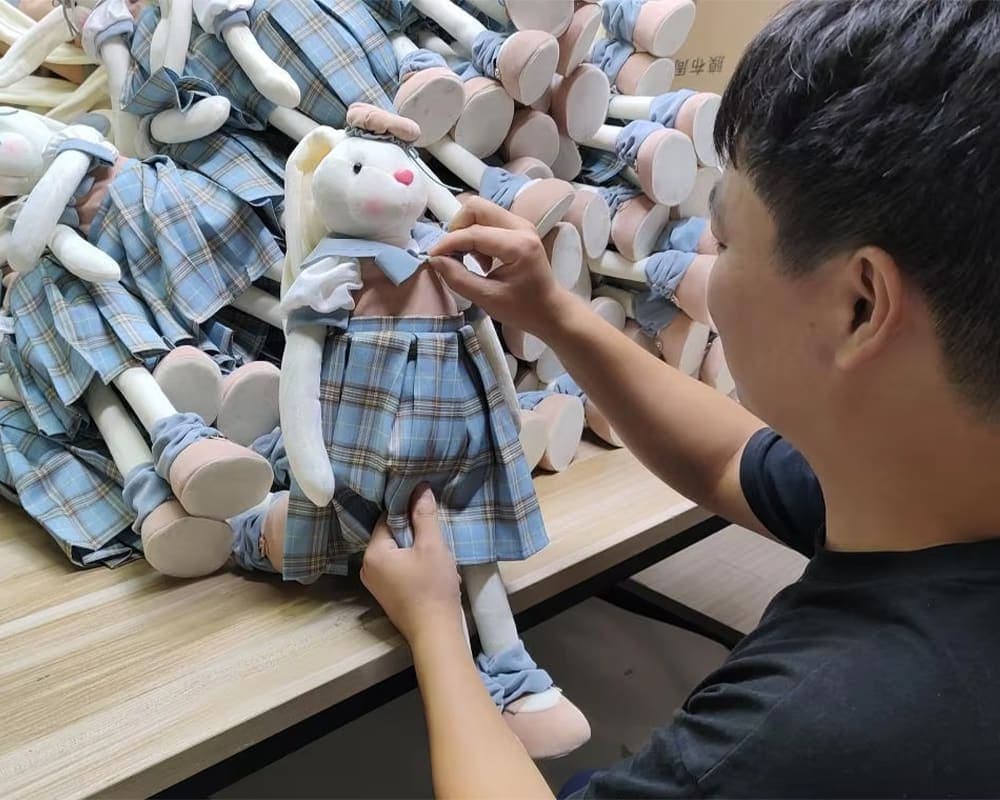
Build washable plush
Want plush your customers can actually clean — with a care label that protects your brand from complaints? Tell us the use case and we'll spec colorfast materials, washable construction and a compliant label. Start on our contact page or request a sample.
Questions fréquentes
Can you put a stuffed animal in the washing machine?
How do you wash a plush toy with batteries?
How do you kill dust mites in stuffed animals?
Can you put a teddy bear in the dryer?
How often should you wash a child's stuffed animal?
Prêt à créer votre propre peluche personnalisée ?
Décrivez-nous votre projet — recevez un devis direct usine sous 1 heure ouvrée.