Manufacturing Baby Comforters & Lovey Plush (Security Blankets / Doudou)
How the plush-head-on-a-blanket lovey is made — the transitional-object psychology, the all-embroidered construction, the toy-safety vs safe-sleep distinction, materials and the twin.

The lovey is the most emotionally loaded thing a baby brand will ever make — the one object a child genuinely bonds to. It's also one of the most safety-sensitive, because it lives in a newborn's hands and mouth. Most articles treat it as a cute retail item; this one treats it as a product to build and certify, and it draws the line competitors blur: toy safety and safe sleep are two different things, and you have to get both right.
What is a lovey / comforter / doudou?
One product, many names: a lovey (US), a comforter (UK), a doudou(France). It's a small soft animal head or body sewn into one corner of a flat, lightweight blanket — usually around 12–14 inches square — with knotted or textured corners for tiny hands to grip. It's neither a plain blanket nor a standalone stuffed animal, but a deliberate hybrid built to be clutched, chewed and carried everywhere.
The transitional-object psychology
The reason a lovey works is the reason competitors never explain. The pediatrician and psychoanalyst Donald Winnicott introduced the term “transitional object” in 1953 to describe the item a child uses for reassurance when separated from a caregiver — a bridge between dependence and independence. Research cited by that reference notes roughly 60% of children in the US form an attachment to a security object, commonly from around six months of age (it varies), and that children with a comfort object tend to settle and fall asleep more easily. That bond is exactly why the build has to be flawless — a child will not accept a substitute.
Anatomy of a well-made comforter
A good lovey is a few simple parts done carefully:
- Plush element — a soft animal head or upper body, with embroidered facial features (never plastic eyes).
- Blanket panel — a flat, lightweight, breathable square the baby clutches.
- Knotted / textured corners — easy for tiny hands to grip and to soothe teething gums.
- Optional sensory layer — a sewn-in crinkle, or a securely fixed textured corner (we favor a fixed/embroidered element over a detachable hard teether ring for the youngest babies).
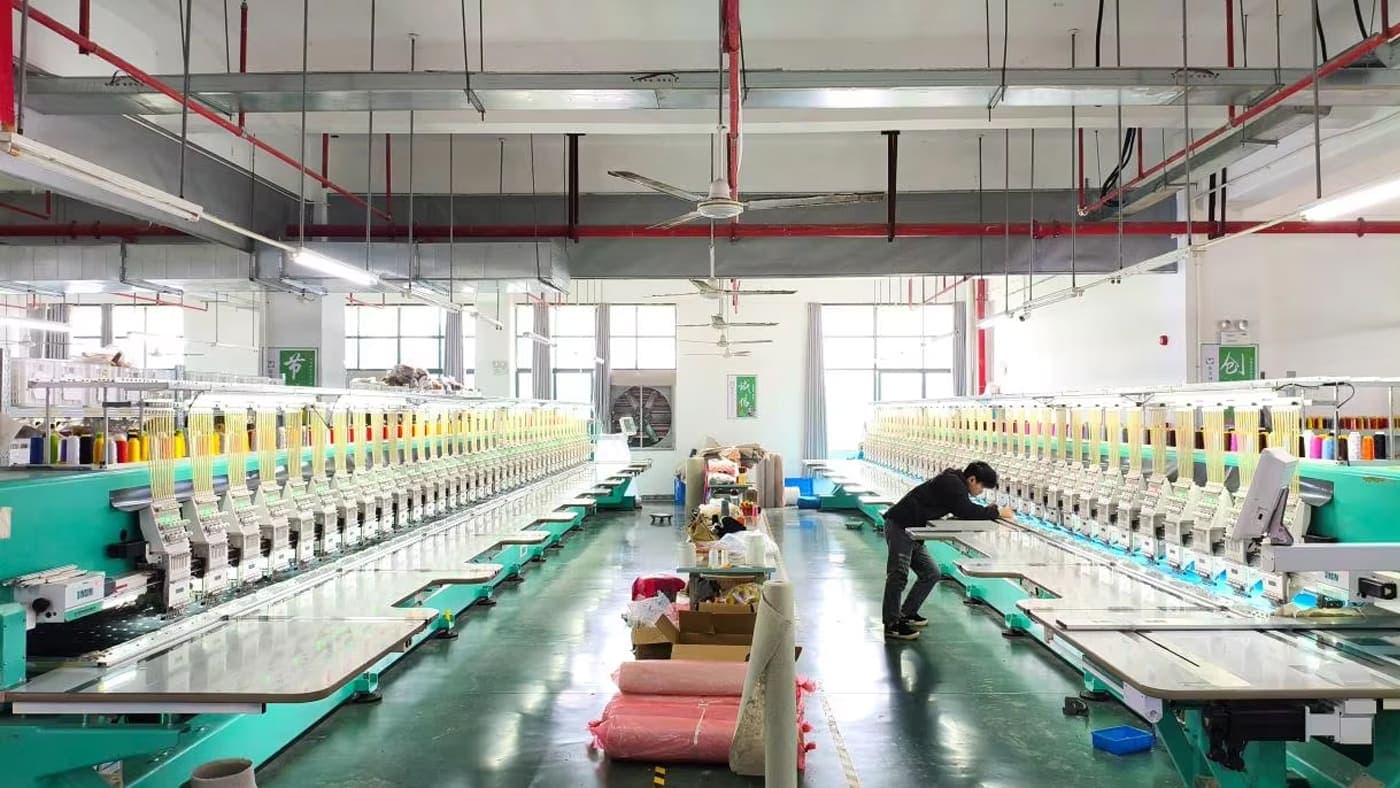
The all-embroidered, no-small-parts rule
A lovey sits at the strictest under-3 toy-safety tier, so the construction rules aren't preferences — they're the law:
| Requirement | Why |
|---|---|
| Embroidered eyes & features | No detachable small parts to swallow |
| No buttons, beads, plastic eyes | All are choking hazards under-3 |
| Secure, pull-tested seams & tags | Nothing can come loose under abuse |
| Flame-tested fabric | Required by toy-safety standards |
| Low-chemical, tested materials | Lead/phthalate limits (CPSIA / EN 71-3) |
It's the same regime as our baby-safe plush guide covers in full — a lovey is simply the most demanding case of it.
Toy safety vs safe sleep — two different things
This is the distinction every brand must understand, and most marketing quietly ignores. Passing toy-safety testing makes a lovey a safe toy. It does notmake it safe to leave in a sleeping infant's crib. Safe-sleep guidance is a separate matter: the American Academy of Pediatrics and NICHD's Safe to Sleep program advise keeping soft objects, toys and loose bedding out of a baby's sleep area for the first year, when the risk of SIDS and suffocation is highest.
Materials & certifications
Softness and breathability lead, and parents look for certifications they trust:
| Material | Feel | Note |
|---|---|---|
| Ultra-soft minky (polyester) | Plush, cuddly | The classic lovey plush face |
| Cotton muslin / double gauze | Light, breathable | Popular for the blanket panel |
| Organic cotton | Soft, natural | GOTS for organic content |
| Bamboo terry | Absorbent, soft | Premium, gentle on skin |
The two certifications buyers ask for are OEKO-TEX STANDARD 100 (tested free of harmful substances) and, for organic lines, GOTS. More on textiles in our fabric & materials guide.
Washability & the twin
A lovey gets chewed, dropped and drooled on, so it's laundered constantly — machine-washability and colorfast embroidery are real product specs, not nice-to-haves (see our plush care guide). And the smartest design feature in the category is the twin: sell two identical loveys so there's always a clean one — and a spare if the beloved original is ever lost. It's a genuine kindness to parents and a strong upsell. Personalization is the same logic: an embroidered name keeps it within the no-small-parts, washable rules.
Make your baby comforter
Send us your concept and target markets and we'll build a lovey to the strictest under-3 tier — embroidered features, pull-tested seams, certified soft materials, machine-washable, with a twin option — and certify it to ASTM F963 / EN 71. Start on our contact page or request a sample.
Frequently asked questions
What is a lovey (comforter / doudou)?
When can a baby sleep with a lovey?
Are loveys safe?
Why do brands sell two of the same lovey?
What materials and certifications should a baby comforter use?
Ready to make your own custom plush?
Tell us what you're planning — get a factory-direct quote within 1 business hour.