Custom Plush for Restaurants & QSR: Kids-Meal Premiums & Brand Mascots
How restaurant chains source plush — the kids-meal-premium economics, why safety is non-negotiable, the under-3 decision, compliance by market, promo lead-time planning and the plastic-to-plush shift.

A restaurant kids-meal toy is a strange product: it's made by the million, costs a fraction of a retail plush, is given away rather than sold — and yet it has to clear the strictest safety bar there is, because a toddler is going to put it in their mouth. That combination of extreme volume and zero tolerance for a safety missis the whole game, and it's what generic “promotional plush” advice misses.
Why restaurants put plush in kids' meals
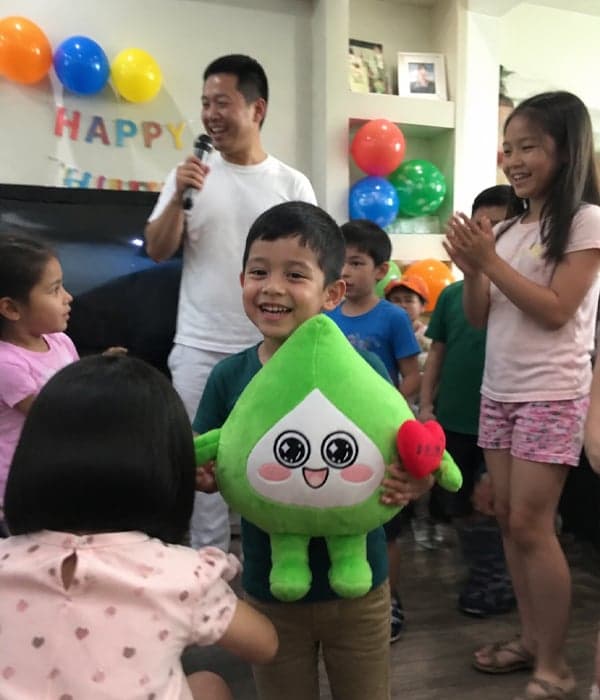
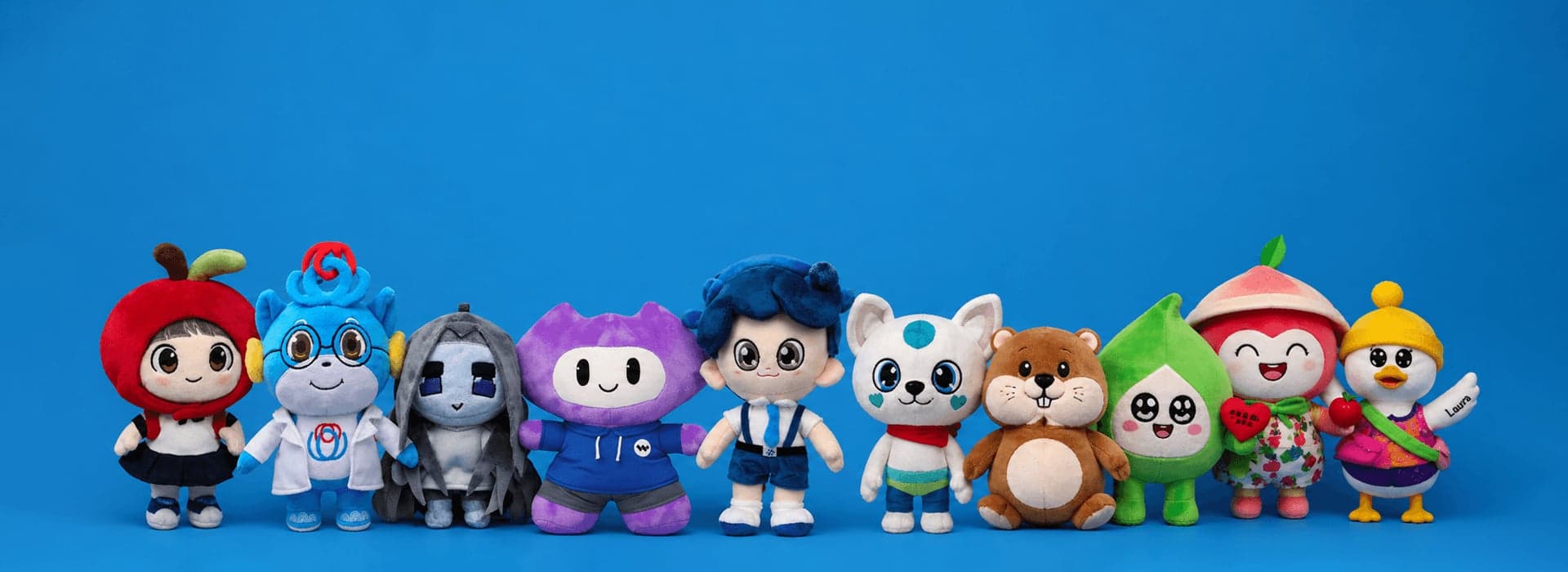
In marketing terms the toy is a premium — a promotional item tied to a purchase to drive sales, repeat visits and collectability (the “collect all six” effect). The kids-meal model runs two ways: licensed tie-ins (a movie or character partner) and the chain's own brand mascotas merch. Either way, the plush's job is to sell meals — which changes how you cost it.
The kids-meal-premium economics
The defining fact: the premium is a marketing cost, not a profit center.It isn't sold for margin — it's engineered for maximum perceived value per dollar at the lowest reliable unit cost, achieved through huge volume, simplified construction and tight material specs:
| Lever | QSR premium | Why |
|---|---|---|
| Volume | Very high (national runs) | Spreads setup over millions of units |
| Construction | Simplified | Fewer panels, faster sewing |
| Materials | Tight, economical spec | Cost-controlled but still tested |
| Decoration | Embroidered features | Safe for young kids, no loose parts |
| Goal | Lowest reliable cost | It's a marketing spend, not a SKU sold for profit |
We keep a hard cents figure out of it on purpose — real pricing depends on size, complexity, volume and testing, so a national premium is quoted per project. The principle is simple: it lands at a small fraction of a retail plush's cost. For how volume moves price generally, see our MOQ & cost-breakdown guide.
Safety is non-negotiable: the recall risk
For a national brand, a safety failure isn't a return — it's a headline. A past kids-meal toy recall ran to about 310,000 unitsover a suffocation hazard to young children; for a major chain, a recall is public, expensive and a trust event. That's why every credible QSR plush program is built on full testing, conservative age-grading, needle/metal detection and 100% outgoing inspection.
The under-3 decision
The single most important design call: who actually receives this toy? Kids-meal premiums are routinely handed to toddlers, so a program is either designed to the strictest under-3 “no small parts” tier, or clearly labeled “not suitable for children under 36 months.” Plush has a real advantage here: a sewn toy with embroidered eyes and no detachable parts is inherently better suited to the under-3 tier than a hard-plastic premium. The full tier is in our baby-safe plush guide.
Compliance by market
| United States | European Union | |
|---|---|---|
| Standard | ASTM F963 (mandatory via CPSIA) | EN 71 (Toy Safety Directive) |
| Testing | Third-party CPSC-accepted lab | Notified-body / accredited testing |
| Certificate | Children's Product Certificate (CPC) | EU Declaration of Conformity |
| Mark / label | Permanent tracking label | CE mark |
| Under-3 rule | Small-parts ban (16 CFR 1501) | Under-36-months small-parts rule |
Note the EU is mid-transition from the Toy Safety Directive 2009/48/EC to the new Toy Safety Regulation (EU) 2025/2509 — confirm current effective dates for your launch. More in our safety standards guide.
Hitting a dated national promo
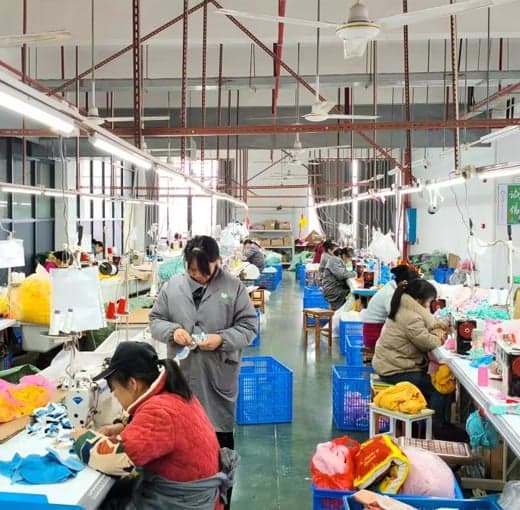
A kids-meal promo has a fixed in-store date, so you plan backward from it — and you treat safety testing as a fixed milestone, not a step to compress. After design approval: sampling and pre-production lab certification (often 2–4+ weeks for testing alone), then mass production at volume, then ocean freight. The two things that wreck QSR timelines are underestimating testing and forgetting Chinese New Year, when factories close — both covered in our seasonal & holiday planning guide.
Packaging & the plastic-to-plush shift
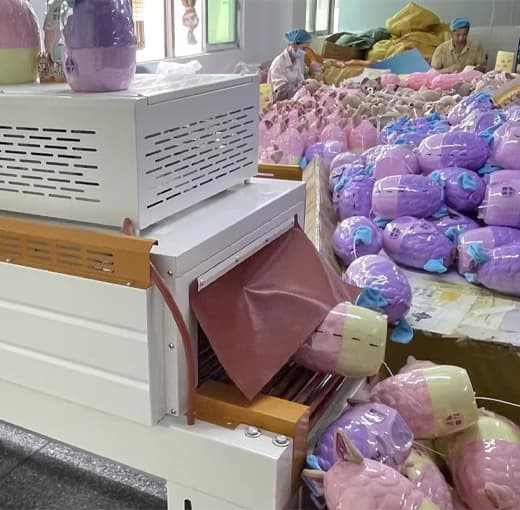
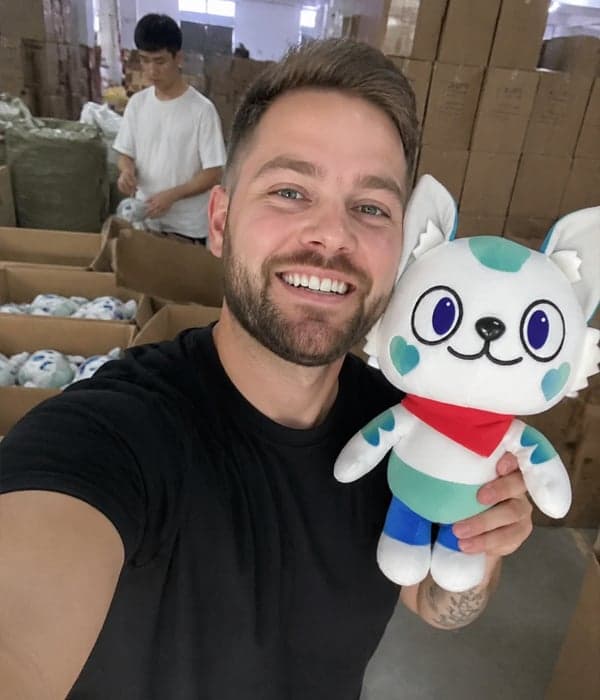
Each premium ships in an individual hygienic polybagsuited to a food-service environment. And there's a tailwind worth knowing: under sustainability pressure, major chains have been moving away from plastic toys toward soft toys, paper-based gifts, books and recycled materials. Plush is a direct beneficiary of that plastic phase-down — a recycled-fill plush mascot fits the new procurement brief far better than a hard plastic figure. The eco materials behind it are in our eco & sustainable plush guide.
Plan your kids-meal or mascot program
Bring us your character or licensed tie-in, your volume and your in-store date, and we'll plan a program backward from the launch — to the strictest safety tier, at national-volume cost, with the timeline buffered for testing and Chinese New Year. Start on our contact page, request a sample, or browse our customer case portfolio.
Frequently asked questions
How much do kids-meal plush toys cost to make?
Are fast-food plush toys safety tested?
How far ahead do we need to order for a promotion?
Do restaurant premiums need to be safe for under-3?
What happens if a kids-meal toy is recalled?
Ready to make your own custom plush?
Tell us what you're planning — get a factory-direct quote within 1 business hour.