크라우드펀딩용 봉제인형 제조 (샘플에서 후원자 현관까지)
Kickstarter/Indiegogo 봉제인형의 공장 관점 플레이북: 왜 출시 전에 샘플을 만드는지, 펀딩 등급 가격 책정, MOQ 대 미지의 후원자 수, 현실적인 일정, 통관, 그리고 놓치기 쉬운 안전 시험.

Plush is one of the most fundable rewards on Kickstarter — and one of the easiest to lose money on. Platforms like Makeship and Youtooz made creator plush a phenomenon by absorbing the risk for a share of the margin. This guide is for the creator taking the other road: running your own campaign and sourcing your own factory, where you keep the control and the margin but have to do the math the platforms quietly do for you. Here's that math, from the factory's chair.
Two roads: a platform or your own production
Both are legitimate. A platform handles the MOQ, manufacturing and fulfillment risk in exchange for a share of revenue and a fixed, limited-window model — less control, lower margin, far less work. The DIY route — your own campaign, your own factory — gives you control over design, quantity and restocks and a bigger margin, but you carry the cash, the MOQ commitment, freight, duty, safety testing and fulfillment.
| Factor | DIY sourcing (your own factory) | Platform (Makeship-style) |
|---|---|---|
| Control over design / quantity / restocks | High | Low (fixed, limited window) |
| Margin to creator | Higher | Lower (revenue share) |
| MOQ commitment | You carry it (~100–500+) | Platform handles |
| Upfront cash / risk | You carry it | Minimal (free to creator) |
| Freight, duty, fulfillment | Your responsibility | Handled by platform |
| Safety testing / compliance | You arrange | Platform-managed |
| Effort / time | High | Low |
| Best for | Control + margin, willing to do the work | Low-risk, hands-off drop |
Before anything: own your IP
You can only manufacture what you have the rights to. Fan art of someone else's characters — however lovingly made — is an infringement trap that can get a campaign pulled and expose you to legal claims. Make sure you own or have licensed the character before you brief a factory; a good factory will ask you to confirm IP ownership and sign mutual NDA and IP-assignment terms. For how IP ownership differs by manufacturing model, see our OEM vs ODM guide.
Get a sample before you launch
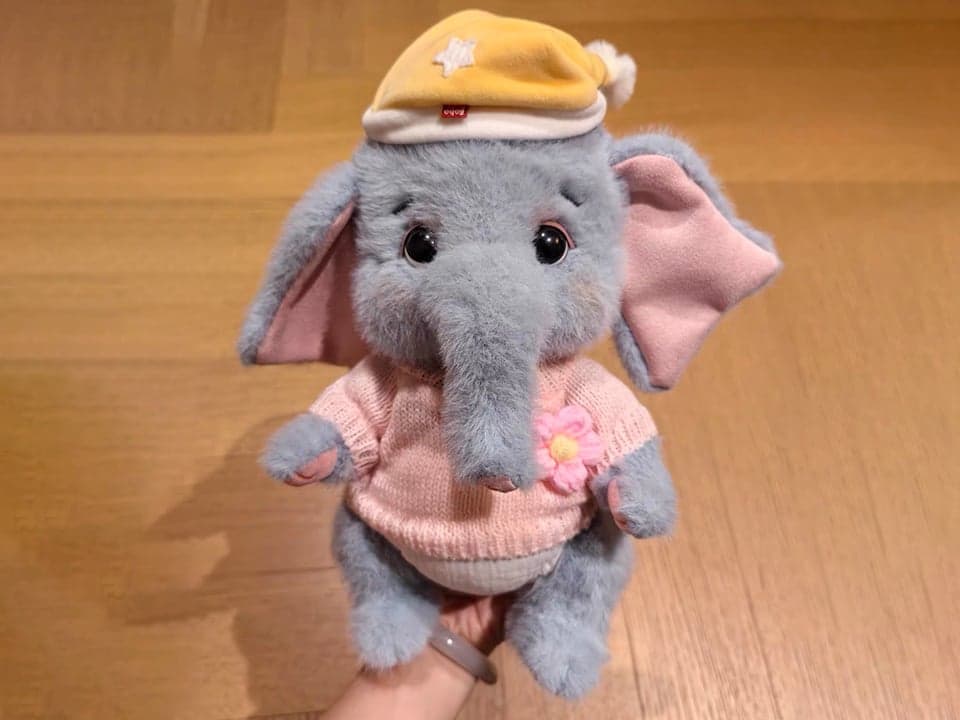
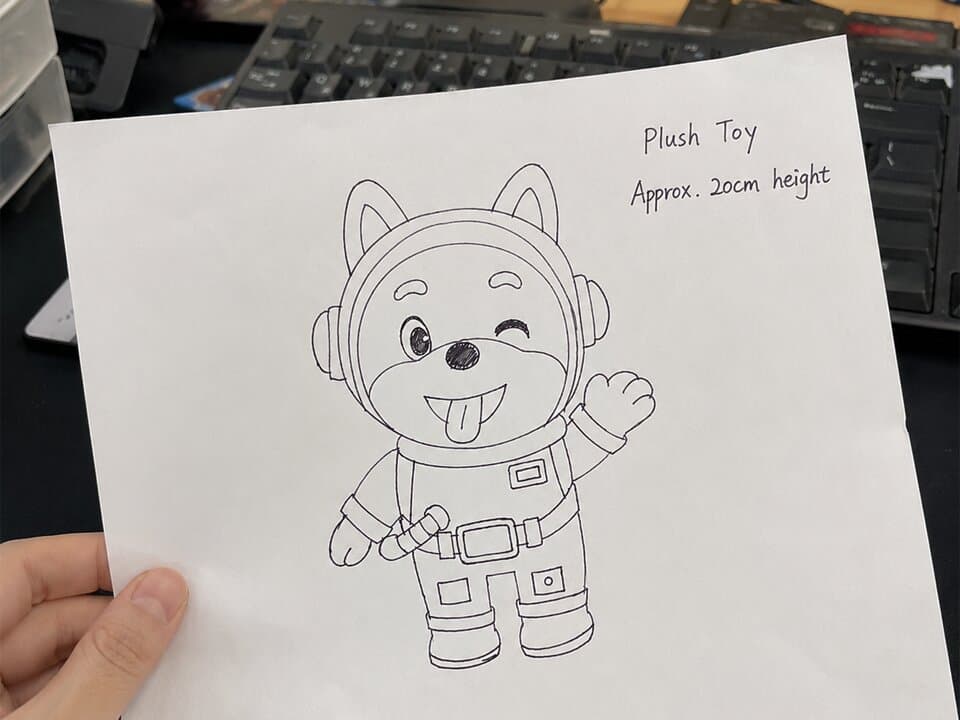
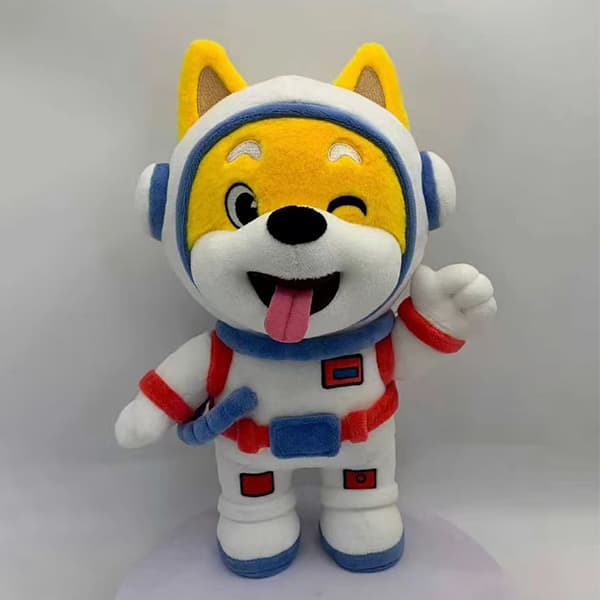
This is the single most important rule, and the one first-time creators break most. A pre-launch sample gives you three things: real photos and video for your campaign page, a confirmed unit cost, and a confirmed MOQ. Skip it and you risk the classic failure — funding the project, then discovering the true cost or minimum order makes fulfillment unprofitable or impossible.
Costing pledge tiers
A pledge price has to absorb far more than the plush itself. Build the full stack before you set a number — and remember the platform and payment fees and the slice of pledges that fail to collect after the campaign.
| Cost line | What drives it |
|---|---|
| Plush manufacturing (unit) | Size, detail, fabric and MOQ |
| Tooling / sample (amortised) | Fixed cost spread over the run — higher at low volume |
| Freight (allocated per unit) | Sea cheaper; air faster (plush is volume-bound) |
| Fulfillment + packaging | 3PL pick/pack or self-ship, plus mailers |
| Platform + payment fees | Kickstarter 5% + payment ~3–5% + ~$0.20/pledge |
| Attrition buffer | ~5–12% of pledges fail to collect (planning estimate) |
| Suggested pledge price | ≈ 2–4× unit cost — then validate against the full stack |
The 2–4× rule of thumb is a starting point, not a guarantee — freight and per-backer shipping can push the real multiple higher. For the underlying unit-cost mechanics, see our cost & pricing guide and the freight side in our shipping & landed-cost guide.
MOQ vs an unknown backer count
At launch you don't know how many backers you'll get, but the factory needs a minimum order. Custom plush MOQs commonly run ~100–500 units, because the fixed setup (pattern, dies, material sourcing) costs the same whether you make 50 or 5,000. The way to square this: produce after the campaign closes, when your backer count is known, with a small buffer for failed-payment replacements and post-campaign sales. Set your funding goal to cover at least (MOQ × unit cost) + freight + fees + buffer, and use stretch goals or add-ons to push volume into better per-unit pricing.
The realistic timeline
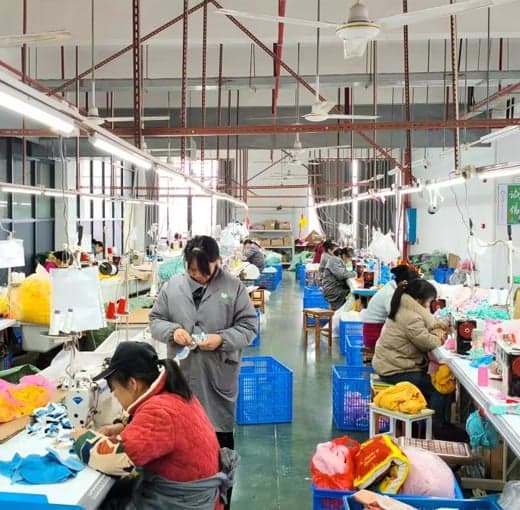
Plan for roughly 6–9 months from design to backer doorstep, and promise a delivery date with buffer. Over-promising and missing it is the fastest way to burn the trust your campaign was built on.
- 1Design & tech pack~2–4 weeks
- 2Pre-launch sampleReal photos + true cost & MOQ
- 3Campaign (~30 days)Funded? Else refund backers
- 4Bulk production30–45 days, backer count known
- 5Safety test / CPCASTM F963 / EN 71, in parallel
- 6Freight + customsSea ~30–40d / air ~8–10d; you are IOR
- 7Fulfillment~2 weeks to backer doorsteps
Safety isn't optional — even for one run
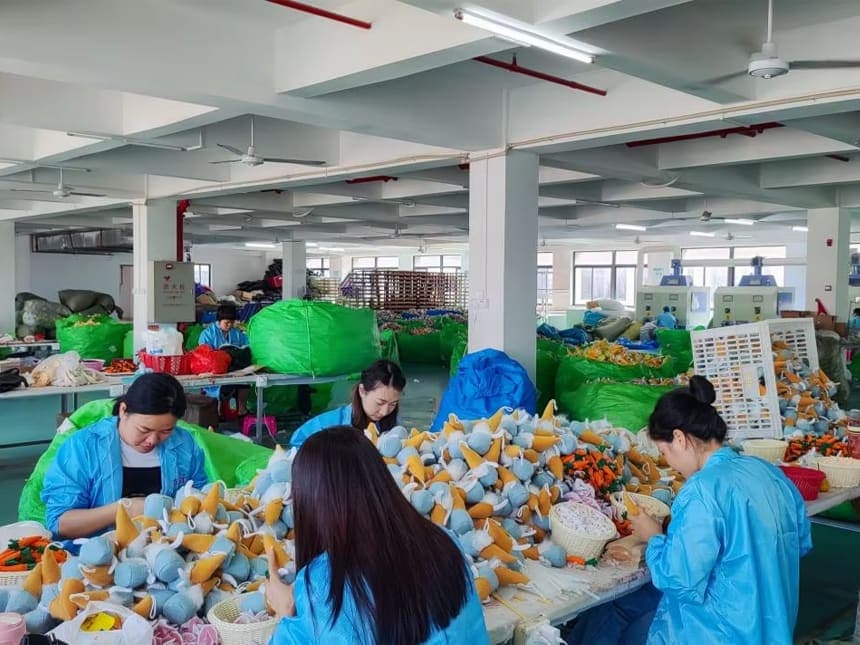
The biggest blind spot for first-time creators: a plush marketed to children is a regulated children's product, even as a single small run. For the US that means ASTM F963 testing, a pull test on eyes and accessories under the small-parts rule, a permanent CPSIA tracking label on product and packaging, and a Children's Product Certificate from a CPSC-accepted lab; the EU equivalent is EN 71. You'll also be the importer of record — read CBP's tips for new importers — responsible for duties and entry paperwork. The full testing detail is in our safety standards guide.
Sample first, fund with confidence
We make pre-launch samples, give you the real unit cost and MOQ before you commit, produce after your campaign closes, and certify to ASTM F963 / EN 71. Start your pre-launch sample on our contact page, see creator work in our customer case portfolio, or design the toy itself with our plush design & tech-pack guide.