環境配慮型・サステナブルなぬいぐるみ:素材、認証、グリーン主張の検証
ぬいぐるみ向けのrPET・オーガニックコットン・竹ビスコース — さらにGRS、RCS、OEKO-TEX、GOTS、OCS、FSCが実際に何を証明するか、スコープ証明書と取引証明書で主張を確認する方法、『生分解性』ぬいぐるみの正直な真実。

“Eco-friendly” is the most abused word in the plush industry. Most supplier pages wave a recycled logo and call it sustainability, while quietly conflating recycled content, chemical safety and organic fibre — which are three completely different things proven by three completely different certifications. This guide keeps them separate, shows you exactly how to verify a claim instead of trusting a badge, and is honest about what plush can and cannot be.
Why “sustainable plush” is mostly marketing
A plush toy is a composite product — face fabric, fill, thread, safety eyes, embroidery, sometimes electronics. That makes blanket claims like “eco” or “100% biodegradable” almost always misleading, because they describe one component (or nothing measurable) as if it were the whole toy. Real sustainability is specific and documented: which material, certified to which standard, verified how. That specificity is also what regulators now expect — see the cost & regulation section below.
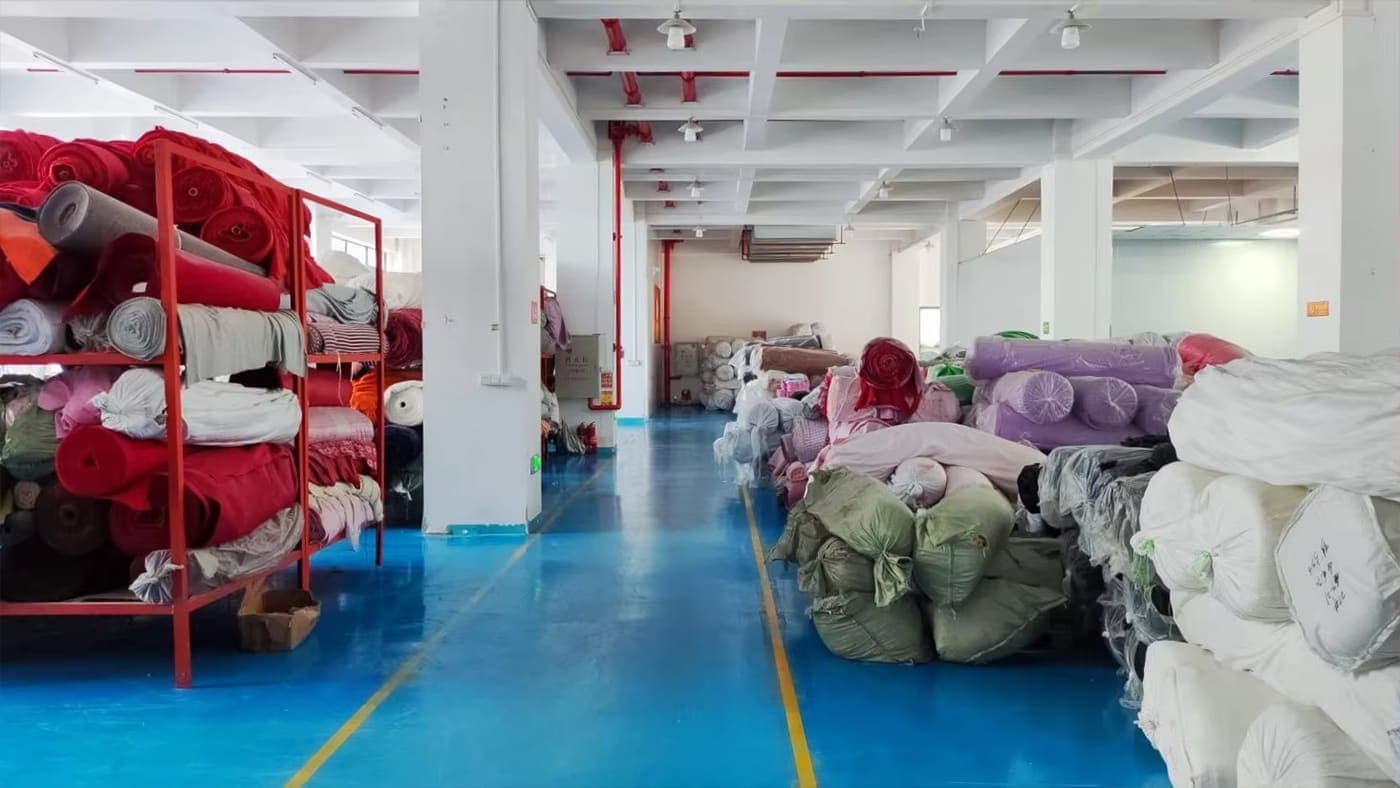
Sustainable outer-fabric options
- Recycled polyester (rPET). Made from post-consumer PET bottles, spun into short plush, velboa or minky. With proper grade selection it's indistinguishable from virgin and carries roughly a third of the carbon in some life-cycle analyses — but it's still polyester (see the honest section).
- Organic cotton. Natural hand-feel and a biodegradable fibre, but higher cost, higher MOQ and longer lead times. Note: an organic-cotton face on a polyester-filled toy is not a “natural” toy.
- Bamboo viscose. Soft and silky, but chemically regenerated rayon — in the US the FTC requires it be labelled “rayon” or “viscose,” not “bamboo fibre.” FSC can certify the wood/bamboo feedstock, not the chemistry.
Sustainable fill options
- Recycled PP cotton (rPET fibrefill). The same recycled-polyester economics as the fabric, for the stuffing.
- Organic cotton fill. Natural and biodegradable, but denser, costlier and harder to loft evenly.
- Corn-fibre / PLA. Bio-based and hypoallergenic, but the biodegradability comes with an asterisk: PLA needs industrial composting (around 140°F+) to break down. It does not meaningfully degrade in a home compost or a landfill, so calling it simply “compostable” is misleading.
Certifications that actually mean something
The single biggest credibility win is to never conflate the four buckets: recycled content, chemical safety, organic fibre and responsible forestry. A toy can be OEKO-TEX certified and still be 100% virgin polyester. Here is what each certification proves — and what it does not.
| Certification | Bucket | What it verifies | What it does NOT prove | Ask the supplier for |
|---|---|---|---|---|
| GRS | Recycled | Recycled % (≥20% to certify, ≥50% to use the logo) + chain of custody + social + environmental + chemical | That it's organic or child-safe | Scope Cert + Transaction Cert for your order |
| RCS | Recycled | Recycled % + chain of custody only | Social / environmental / chemical criteria | Scope Cert + Transaction Cert |
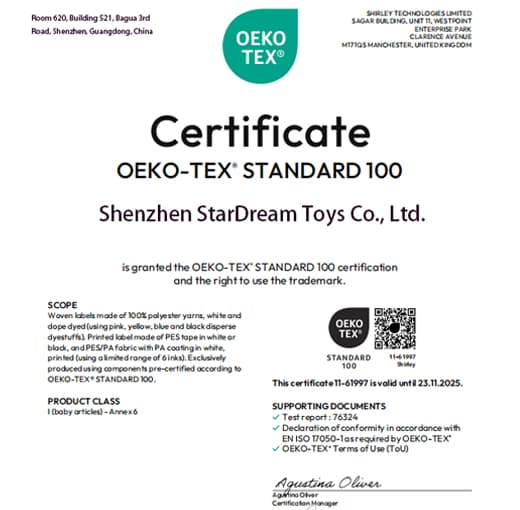
| OEKO-TEX STD 100 | Chemical safety | Tested against 1,000+ harmful substances | Recycled OR organic content | Certificate number → Label Check |
| GOTS | Organic | Organic fibre (≥95% 'organic' / ≥70% 'made with') + processing + social | Recycled content | Scope Cert + TC + database entry |
| OCS | Organic | Organic fibre % + chain of custody only | Processing chemistry / social criteria | Scope Cert + Transaction Cert |
| FSC | Forestry | Responsibly sourced wood/pulp (packaging, tags, viscose feedstock) | Toy fabric safety; 'natural' after processing | Chain-of-custody number → FSC search |
Two standards bodies issue most of these: Textile Exchange (GRS, RCS, OCS) and Global Standard gGmbH (GOTS), with FSC covering paper, tags and gift boxes.
How to verify a green claim in 5 steps
The certificate matters more than the logo, and the Transaction Certificate matters more than the Scope Certificate. A Scope Certificate proves a facility is capable of producing certified goods; a Transaction Certificate proves your specific shipment actually did. Follow the flow:
- 1Is there a specific claim?e.g. '70% recycled rPET' — vague 'eco' = reject
- 2Named cert + certificate number?No number = ask for it
- 3Which bucket?Recycled / chemical / organic / forestry
- 4Scope Certificate current & listing this material?Confirms the facility is certified
- 5Transaction Certificate for YOUR order?%-content claims need a TC
- 6Number verified in the official database?Not listed = badge is meaningless
- 7Substantiated — keep the TCs on fileEvidence for FTC / EU compliance
Microplastics & the “biodegradable” reality
Honesty is a competitive advantage here. Recycled polyester is a real improvement on virgin petroleum and carbon, but it still sheds microfibres and never biodegrades. And a fully biodegradable plush toy is essentially a fantasy: even an organic-cotton outer is sewn with polyester thread, stuffed with mixed fill, and finished with safety eyes and embroidery that prevent whole-product breakdown. The credible path isn't a “compostable toy” — it's fewer materials, certified components, genuine durability, and designing the packaging for recyclability (see our packaging & export guide).
Cost, MOQ & lead-time reality (and the rules you're accountable to)
Certified eco materials add cost: roughly +10–15% for certified rPET, up to 20–30% for specialty certified fabrics, more for organic cotton or bamboo viscose, with certification and responsible dyeing adding around 8–15%. MOQs for certified fabrics often start near 500–1,000 metres, and organic natural-fibre programmes run longer lead times — up to ~120 days versus ~45 for recycled fill. On the legal side, the US FTC Green Guides already say you can't make unqualified “eco-friendly” or “biodegradable” claims, and existing EU anti-greenwashing rules require substantiated labels. The Transaction Certificates from the verification step are exactly the evidence those rules ask for.
Documented eco plush, not slogans
We source certified rPET, organic cotton and bamboo viscose, and supply the Scope and Transaction Certificates and database links per order — so your green claim is one you can defend. Tell us your sustainability target on our contact page, browse our customer case portfolio, or go deeper on textiles in our plush fabric & materials guide.