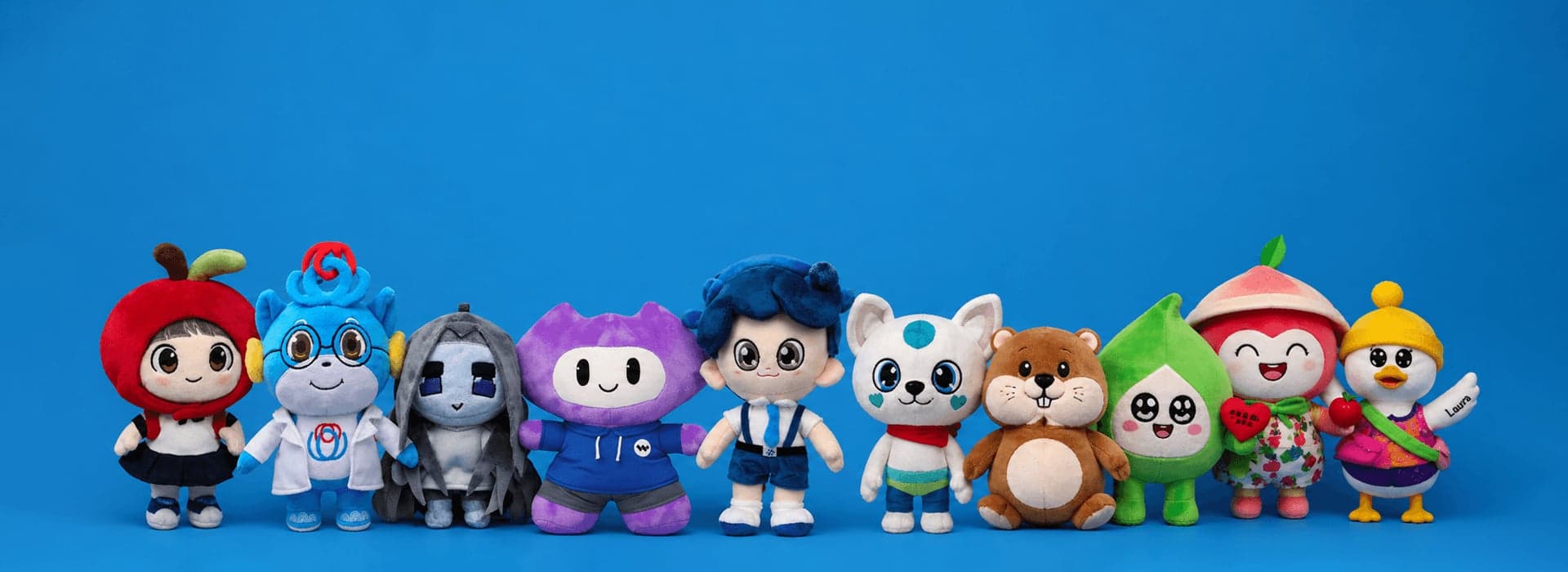
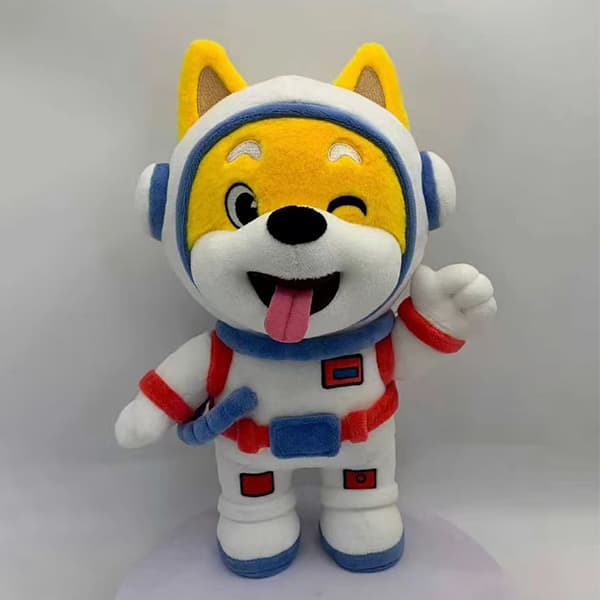
Custom Plush Dolls & Soft-Body Dolls: Faces, Hair & Construction
How soft fabric dolls are made — face methods (embroidered, printed, sculpted), hair attachment, skin tones, removable clothing and the small-parts rule, Waldorf/organic, and safety.

A doll is a person, not an animal — and that one difference changes how it's built. Where competitors treat a soft doll as “animal plush with legs,” the real craft is in the face, the hair, the skin tone and the clothes, each with its own methods, costs and safety rules. This is the doll-specific guide: how to choose a face technique, attach hair that lasts, build an inclusive range, and keep it all safe for the age you're designing for.
Plush dolls aren't animal plush — or vinyl dolls
A soft doll descends from the rag-doll tradition: a cloth body with simple features, huggable and infant-friendly. Mid-century, soft vinyl took over the mass-market doll aisle because it gives crisp sculpted faces and rooted hair — but at the cost of a rigid feel. A plush doll sits between: the cuddle and safety of cloth, with as much face-and-hair realism as the build allows.
Soft-body construction
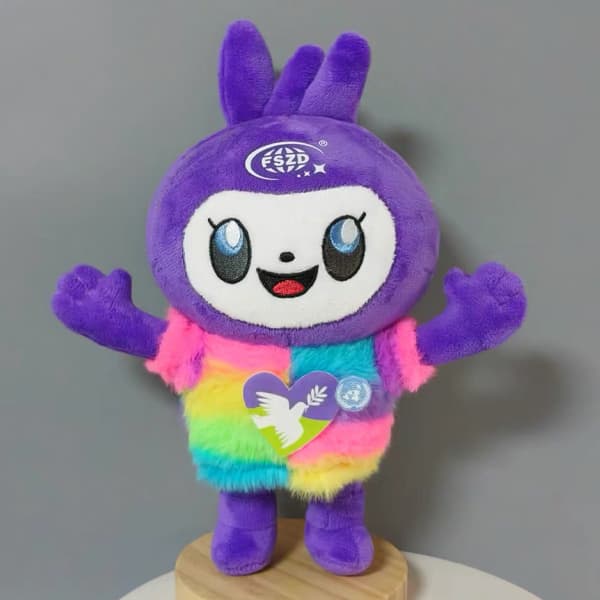
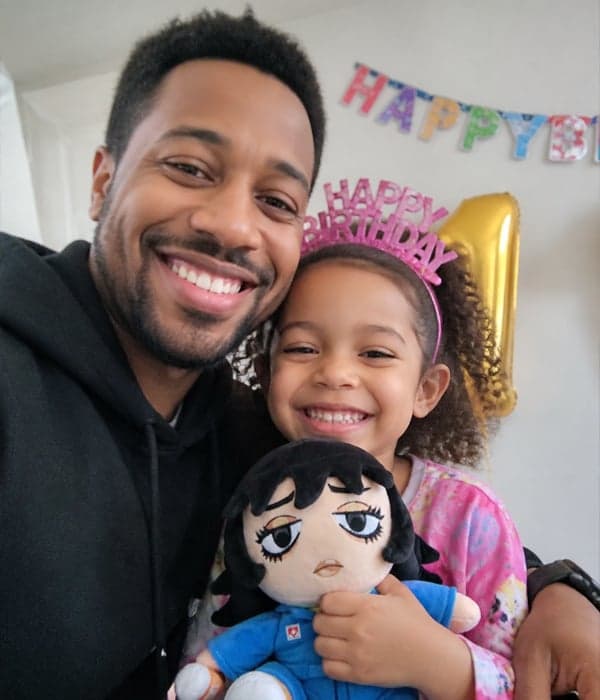
The body is cut-and-sewn cloth and stuffed — but how it's stuffed sets the character. Light polyfill keeps it soft and washable; pellets or beans at the hands, feet and seat add weight so the doll can sit and pose. Bodies range from simple one-piece forms to formed-limb dolls that sit and can be dressed. Here's the whole build at a glance:
- 1Design & patternBody type, proportions, age band
- 2Cut & sew bodyCloth shell, formed limbs if posable
- 3Stuff & weightPolyfill + pellet/bean weighting
- 4FaceEmbroider / print / sculpt
- 5HairYarn / rooted / fabric
- 6Clothing & QCDress, then safety-test
Faces: embroidered vs printed vs sculpted
The face is the doll. The method you choose sets the look, the cost and whether it's infant-safe:
| Method | Look | Cost / throughput | Best market |
|---|---|---|---|
| Flat embroidery | Clean, tactile, simple | Lowest, high volume | Mass-market & infant |
| Dye-sublimation print | Photographic, full skin-tone range | Moderate | Character & inclusive lines |
| Needle-sculpted (3D) | Dimensional, lifelike | High, hand-labor | Premium / collector |
| Hand-painted | One-of-a-kind, artistic | Highest, artisan | Art / collector (not under-3) |
Hair: yarn, rooted & fabric
Hair is where realism and infant-safety pull in opposite directions — so match the method to the age and the market:
| Method | Realism | Durability | Infant-safe? | Notes |
|---|---|---|---|---|
| Sewn yarn hair | Stylized | Good (wefted) | Yes | The cloth-doll classic; soft, washable |
| Rooted / wefted synthetic | High — brushable | Good if pull-tested | Only if rootings pass tension test | Fashion/vinyl-doll look |
| Fabric / felt hair | Stylized | Very secure | Yes | No loose fibers |
| Integral knit cap | Character | Very secure | Yes | Simple, safe, on-trend |
The plain tradeoff: realism rises from a knit cap to yarn to rooted synthetic, while infant-safety simplicity runs the other way. On a children's toy, every rooting must survive a pull test so strands can't be extracted.
Skin tones & inclusivity
Doll “skin” is usually cotton interlock or jersey — low-pill and soft, and it lightens once stuffed, which you compensate for in selection. A credible line offers a graduated range of tones, from deep to fair, and printed or dye-sublimated faces extend the range further with gradients embroidery can't reach. Whichever you use, the colorants must meet the migration limits in the safety standards — quality doll fabrics are tested for safe dyes. More on textiles in our fabric & materials guide.
Clothing & accessories: the small-parts rule
Removable outfits add play value — and small parts. Tiny buttons, snaps, shoes, glasses and beads are exactly the components banned on toys for under-3s. The practical line:
Waldorf & organic natural-fiber dolls
The Waldorf doll is its own tradition: sheep's-wool stuffing, a cotton-knit skin, sewn yarn hair, and deliberately minimal features so the child projects their own mood onto the doll. Organic builds add GOTS or OEKO-TEX cotton, certified wool and azo-free dyes. They cost more and often run higher MOQs, but they carry a premium, natural-materials story — see our eco & sustainable plush guide.
Safety, MOQ & getting to production
A doll is a toy: it must meet ASTM F963 / CPSIA (US) and EN 71 and CE marking (EU) — securely attached eyes, no liberated small parts, flammability and migration limits. For babies, the under-3 rules in our baby-safe plush guide apply in full. On the commercial side, expect MOQs around 300–1,000 per design (some from ~100), a $100–300sample fee usually credited to the order, and unit cost that scales with size plus “adders” for rooted hair, sculpted faces and weighting. Read a quote tier by tier in our MOQ & cost-breakdown guide.
Make your custom doll
Send us your character and the age band you're designing for, and we'll spec the face method, hair, skin-tone range and wardrobe — and certify it to ASTM F963 / EN 71. Start on our contact page, request a sample, or browse our customer case portfolio.
よくある質問
What's the best way to do a doll's face?
Can the doll have real-style rooted hair?
Are plush dolls safe for babies?
What makes a Waldorf or organic doll different?
What's the MOQ and cost for a custom doll?
オリジナルぬいぐるみの製作を始めませんか?
ご計画の内容をお聞かせください。営業時間内であれば1時間以内に工場直送のお見積りをお送りします。