Factory Direct vs Trading Company vs Alibaba: An Honest Plush Toy Sourcing Comparison
A Shenzhen plush factory's transparent breakdown of the three sourcing channels — cost stack, MOQ tiers, lead times, QC ownership, and a 7-point factory-verification checklist.

Open Alibaba, type "custom plush toy," and you'll see 12,000 "factories." Maybe 1 in 4 actually owns a sewing line. The rest are trading companies, sourcing agents, or a guy in a co-working space with a Made-in-China.com gold-supplier badge. This guide is written by the costing team at one of those 1-in-4 — and we'll show you the math, the markup, and the questions that separate a real plush toy factory from a reseller wearing the same outfit.
The three sourcing paths in 60 seconds
Every plush toy order ultimately comes from a factory. The question is how many middlemen sit between you and the cut-and-sew line. There are three practical paths:
- Factory direct — you talk to the people who actually own the embroidery machines, sewing lines, and stuffing room. Pricing is FOB or EXW with no resale margin. You bear more of the project-management work, but every dollar tracks back to material, labour, or factory overhead.
- Trading company / sourcing agent — a separate company (often a former factory salesperson) that re-quotes the factory's price to you with a 15–40% margin baked in. You get English-fluent account management, multi-SKU consolidation, and one PO covering plush + packaging + premiums. You don't get factory transparency or direct QC.
- Alibaba (or Made-in-China / Global Sources) marketplace — a listings platform. The seller on the other end is either a factory, a trading company, or a SOHO operator. Alibaba's Verified-Supplier / Gold-Supplier badges audit business registration, not manufacturing capability. The platform's Trade Assurance covers payment, not production quality. See Wikipedia: Alibaba.com for the platform's own description of how Verified-Supplier audits work.
Where the markup hides — a real plush toy cost stack
The single most useful exercise a first-time buyer can do is force the cost stack into the open. Below is the FOB Shenzhen breakdown for a 25 cm short-pile teddy bear at 1,000 pcs — taken directly from a recent StarDream Toys quotation. The trading-company and Alibaba-reseller columns model the same product after typical middleman margins are added.
| Line item | Factory direct | Trading co. | Alibaba reseller |
|---|---|---|---|
| Plush fabric (short pile, 250 GSM) | $0.85 | $0.85 | $0.85 |
| PP-cotton fill (15D hollow-conjugated) | $0.32 | $0.32 | $0.32 |
| Embroidery thread + safety eyes | $0.18 | $0.18 | $0.18 |
| Cut + sew + stuffing labour | $0.95 | $0.95 | $0.95 |
| Polybag + hangtag + master carton | $0.22 | $0.22 | $0.22 |
| Factory overhead + QC | $0.38 | $0.38 | $0.38 |
| Factory margin (12–15%) | $0.43 | $0.43 | $0.43 |
| Trading-co. margin (15–25%) | — | $0.84 | — |
| Alibaba reseller margin (25–40%) | — | — | $1.27 |
| FOB Shenzhen unit price | $3.33 | $4.17 | $4.60 |
| Per 1,000 pcs | $3,330 | $4,170 | $4,600 |
On a 1,000-pc starter order the gap is roughly $840–$1,270. On the 20,000-pc reorder you committed to two months later, the same percentage compounds to $16,800–$25,400 — money that did not improve a single stitch in your bear.
MOQ reality check by channel
MOQs in plush are driven by the smallest viable dye lot of the chosen fabric (typically 300 metres) and the smallest viable production batch the sewing line can run without losing margin on changeovers. Each channel has slightly different floors because they bundle differently.
| Order size | Factory direct | Trading co. | Alibaba | Best fit |
|---|---|---|---|---|
| ≤ 100 pcs | Possible (surcharge) | Comfortable | Common | Trading co. / Alibaba |
| 100–300 pcs | Standard MOQ tier | Comfortable | Common | Either — compare quotes |
| 300–1,000 pcs | Sweet spot | OK (margin grows) | Possible | Factory direct |
| 1,000–5,000 pcs | Sweet spot | Margin compounds | Rare | Factory direct |
| 5,000+ pcs | Lowest unit cost | Avoid — middleman tax | Avoid | Factory direct only |
Lead time, sample rounds, and revision cycles
Trading companies add 3–7 days at every handoff because the email tree gets longer: buyer → trading-co. account manager → trading-co. merchandiser → factory salesperson → factory technician. A change you can verbally approve with a factory in 4 hours can take 4 working days through a sourcing agent — especially if the timezone gap means each message waits overnight.
The flowchart below is the same plush program timed end-to-end across the three channels. Notice where the days disappear.
- 1QuoteDirect: 1–2 days · Trading: 3–5 · Alibaba: 1–3
- 2Tech packDirect: 1–2 days · Trading: 3–5 · Alibaba: 2–4
- 3SamplingDirect: 7–10 days · Trading: 10–14 · Alibaba: 10–18
- 4BulkDirect: 25–30 days · Trading: 28–35 · Alibaba: 30–45
- 5QC + exportDirect: 5–7 days · Trading: 7–10 · Alibaba: variable
Quality control & toy-safety compliance — who actually owns the certificate?
This is the question most buyers don't ask until something goes wrong. When a third-party lab issues a passing ASTM F963 or EN 71 report, it names the manufacturer. If you sourced through a trading company, the certificate is in the factory's name — not yours, not the trading company's. If the factory and the trading company part ways six months later, your compliance file is stranded.
The U.S. Consumer Product Safety Commission's guidance on toy testing and certification is explicit: the importer of record is legally responsible. That's you, not the trading company. We strongly recommend insisting on test reports issued by the actual manufacturing facility, with the factory's name + address visible on the certificate. The same rule applies to the European ASTM F963-23 toy-safety standard (and EN 71 for the EU): the chain of custody between fabric mill → factory → finished product is only verifiable if you know which factory actually ran the production.
7-point checklist: is this actually a plush factory?
Use this list to vet any supplier before signing a PO. We don't mind you asking us these questions — we hand the answers out before the first call.
- Business-licence scope explicitly lists "toy manufacturing" or "textile manufacturing" — not just "trading." Ask for a translated copy.
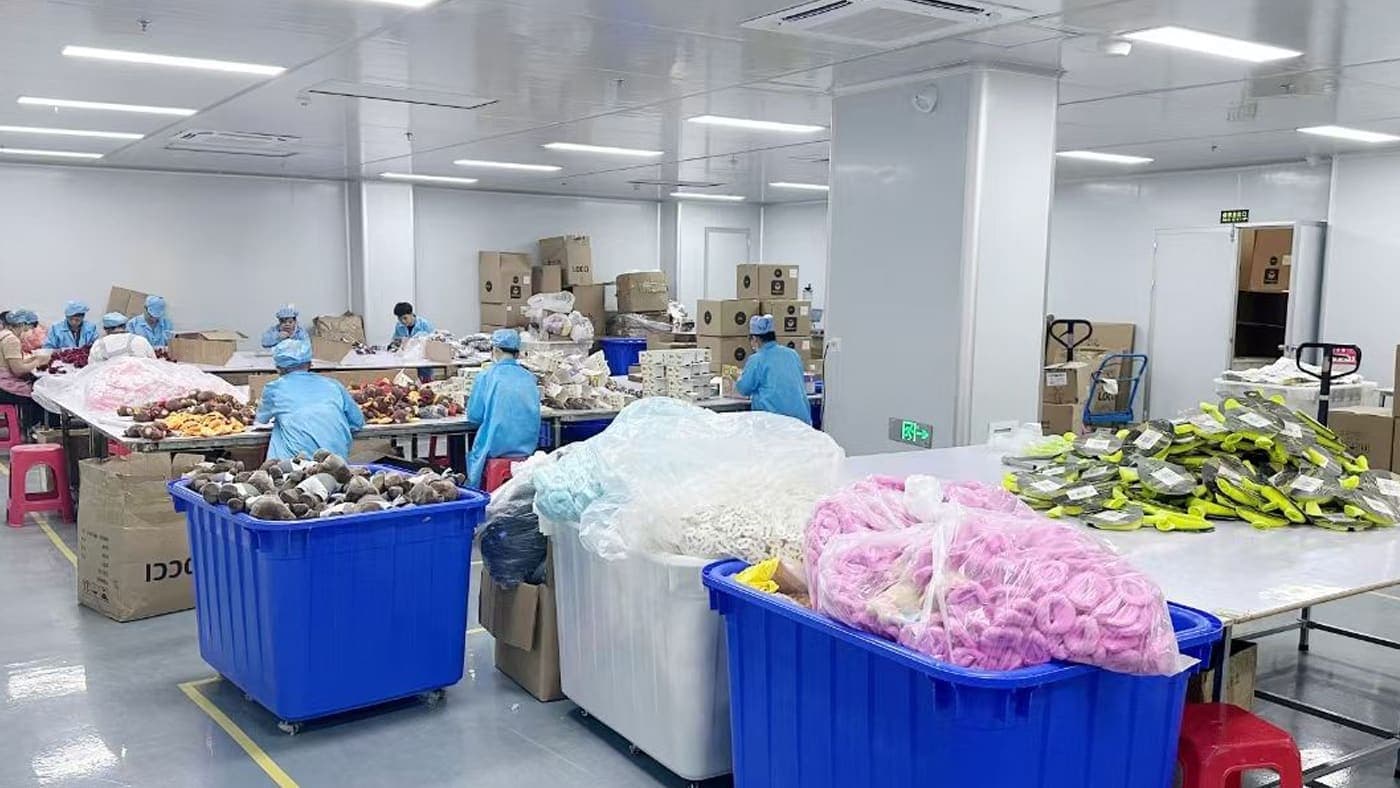
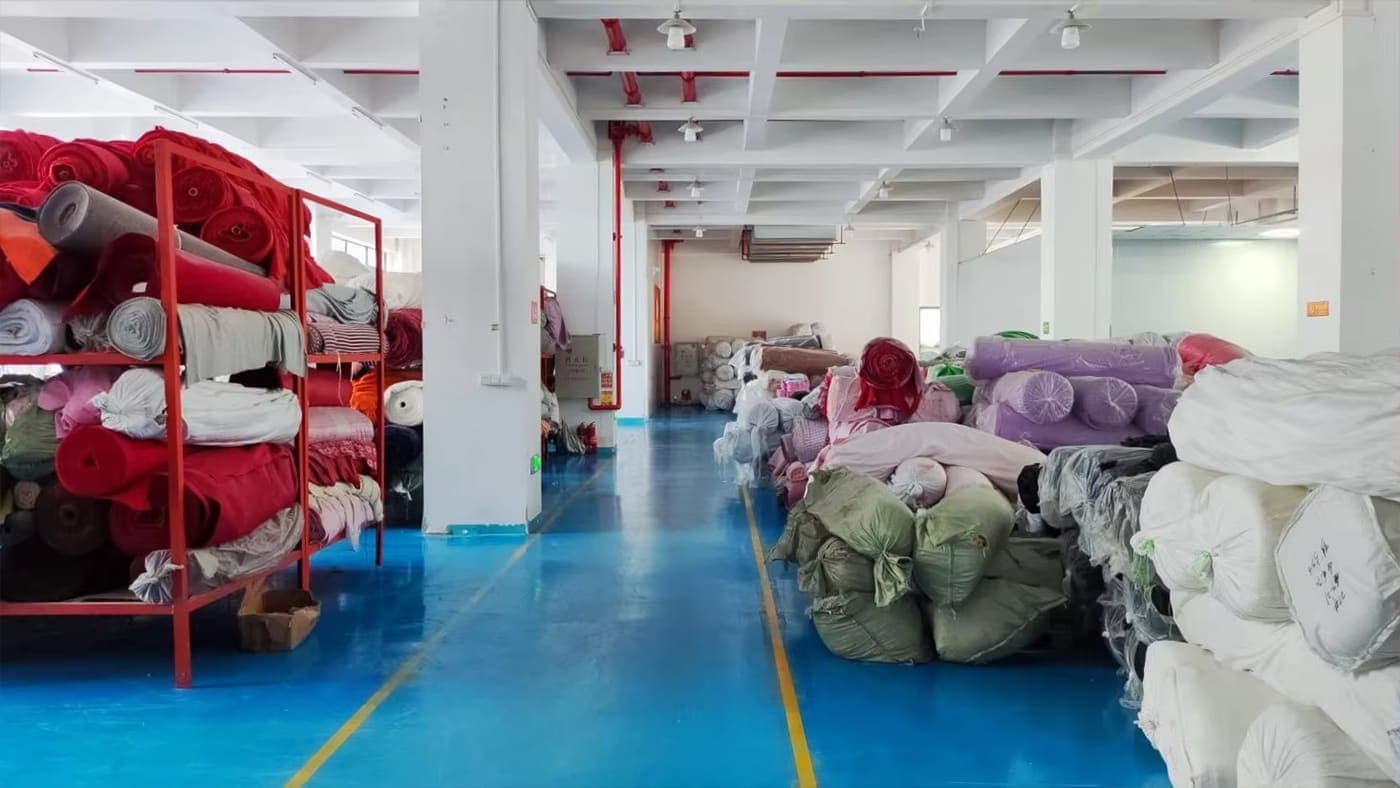
- A 5-minute walk-through video of the facility, taken on the supplier's phone, showing cut, sew, embroidery, stuffing, and packing stations in one continuous shot. Trading companies cannot produce this on demand.
- Photos of embroidery machines with serial numbers visible — Tajima TMEZ, Barudan or ZSK heads are the standard, and the brand should match the supplier's claimed capacity.
- Fabric-mill invoices for a recent month, naming the mill and the metres purchased. Trading companies don't buy fabric in bulk.
- Audit reports — ICTI CARE / Sedex SMETA / BSCI — issued in the factory's name and dated within the last 12 months. Verify the certificate number on the issuing body's public registry.
- ASTM F963 or EN 71 test reports from SGS, Bureau Veritas or Intertek, issued to the factory's name and address.
- A factory tour invitation. Real factories welcome it; resellers offer a "partner factory tour" that suspiciously can never be scheduled.
For the ICTI audit framework specifically, see the ICTI Ethical Toy Program (CARE) audit standard — the certificate number on every report is verifiable on their public registry.
Decision matrix — which channel by order profile
Match your order profile to the right channel. "Right" here means lowest total cost of ownership including QC, IP risk, and reorder velocity.
| Your order profile | Recommended channel |
|---|---|
| Sub-100 pc test run, one design, fast launch | Trading company or Alibaba — minimise upfront work |
| 100–300 pcs across 3–5 SKUs (gift set, conference) | Trading company — consolidation > unit savings |
| 500+ pcs single SKU, custom design, plan to reorder | Factory direct — establish pattern + relationship |
| 1,000+ pcs single SKU, IP-licensed character | Factory direct only — chain of custody matters |
| 5,000+ pcs / multi-container annual programme | Factory direct — every middleman point is $$ |
| You're discovering the category and don't yet know specs | Alibaba shortlist → 3 quotes → move winner direct |
When even we recommend a trading company
Honesty section: a good trading company earns its margin in three situations and we'll send buyers their way without hesitation. (1) Sub-300 piece multi-SKU gift sets where the cross-supplier coordination cost exceeds the markup. (2) First-time buyers who want a single English-speaking project manager and don't have bandwidth to learn how a Chinese factory operates. (3) Sensitive markets (German retail compliance, French RoHS+, niche kosher/halal certification) where the trading company genuinely has audit expertise the factory lacks.
What we'd push back on: any trading company that won't disclose the manufacturing factory by name, won't share audit reports with your name on the cover letter, or won't let you visit. Those aren't trading companies — those are arbitrage operators.
Inside a real plush factory — a 30-second look
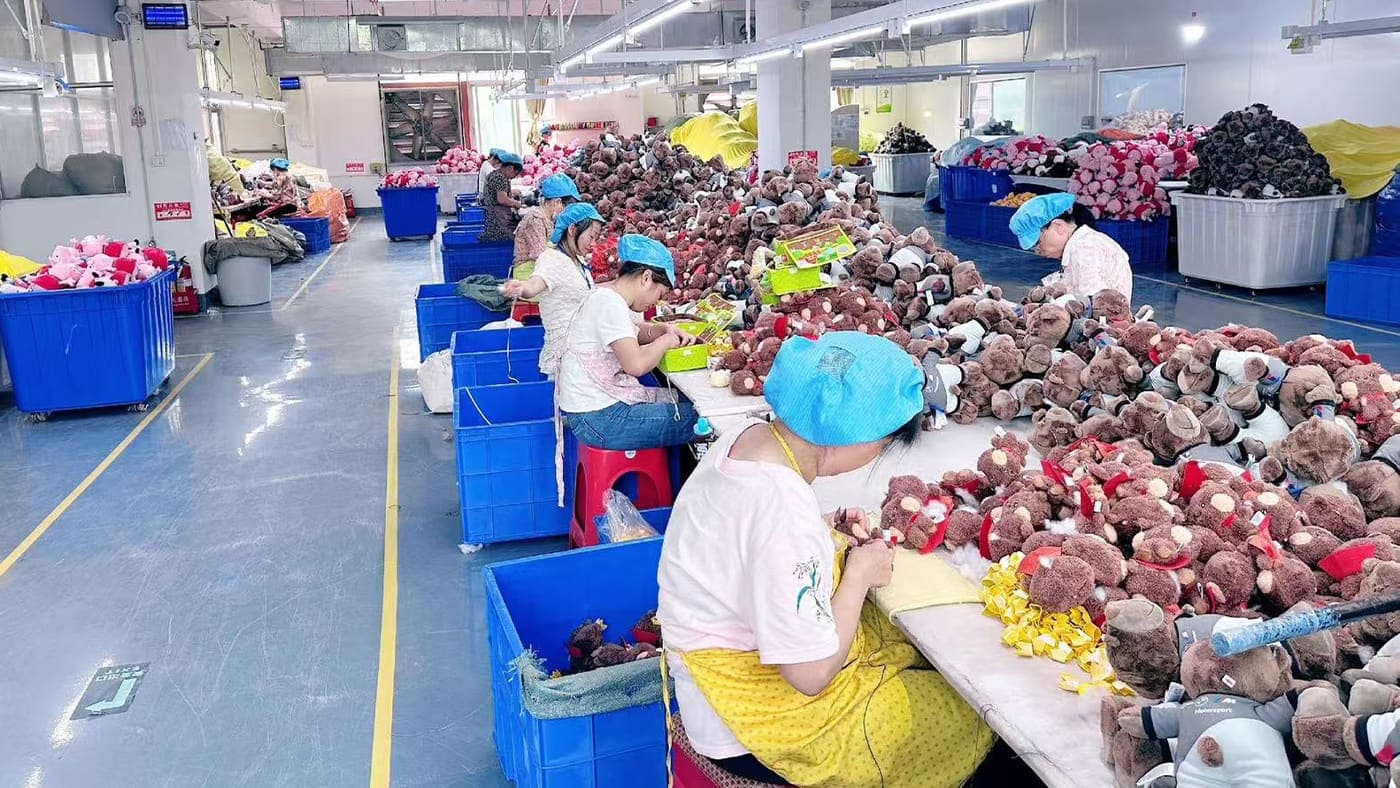
Below is a continuous walk through our Shenzhen plush facility — cut floor, sewing line, embroidery, stuffing station, QC bench. This is what "factory direct" looks like in practice: same building, same staff, same person you've been emailing.
By the numbers
How to put this into action this week
If you're still in the discovery phase, run a controlled experiment. Pick one plush design, send the same brief to one factory, one trading company, and one Alibaba seller. Compare quotes, sample turnarounds, and whose tech-pack notes are most precise. That single exercise will tell you more than another month of reading sourcing blogs.
When you're ready to talk to a real factory — and we hope this guide narrowed the field — you can request a quote directly from our costing team (no trading-company in the middle), or read our broader article on what trust + transparency looks like at StarDream Toys. Either way, ask the seven questions above before you sign a PO.
Preguntas frecuentes
What is the real cost difference between factory direct, trading company and Alibaba for plush sourcing?
How do I verify an Alibaba plush supplier is really a factory and not a trader?
Are trading companies ever the better option for plush toy sourcing?
What is the typical plush sourcing risk profile by channel?
Can I switch suppliers between order rounds without losing my plush tech pack?
¿Listo para crear tu propio peluche personalizado?
Cuéntanos tu proyecto y recibe un presupuesto directo de fábrica en 1 hora laborable.