Plush Toy Color Matching: Pantone, Dye Lots & Why Colors Shift
How plush color is specified and matched — Pantone vs CMYK vs RGB, lab dips and strike-offs, dye-lot variation, the ΔE tolerance, the D65 light box, and why fuzzy fabric shifts color.

“The blue doesn't match my logo” is one of the most common — and most preventable — surprises in custom plush. The truth is a color lives differently on a screen, on paper and on fuzzy fabric, and dyeing isn't a copy-paste. This is how plush color actually gets specified, matched and approved, why a perfect match is the wrong expectation, and how to lock the color you want.
Why plush color is genuinely hard
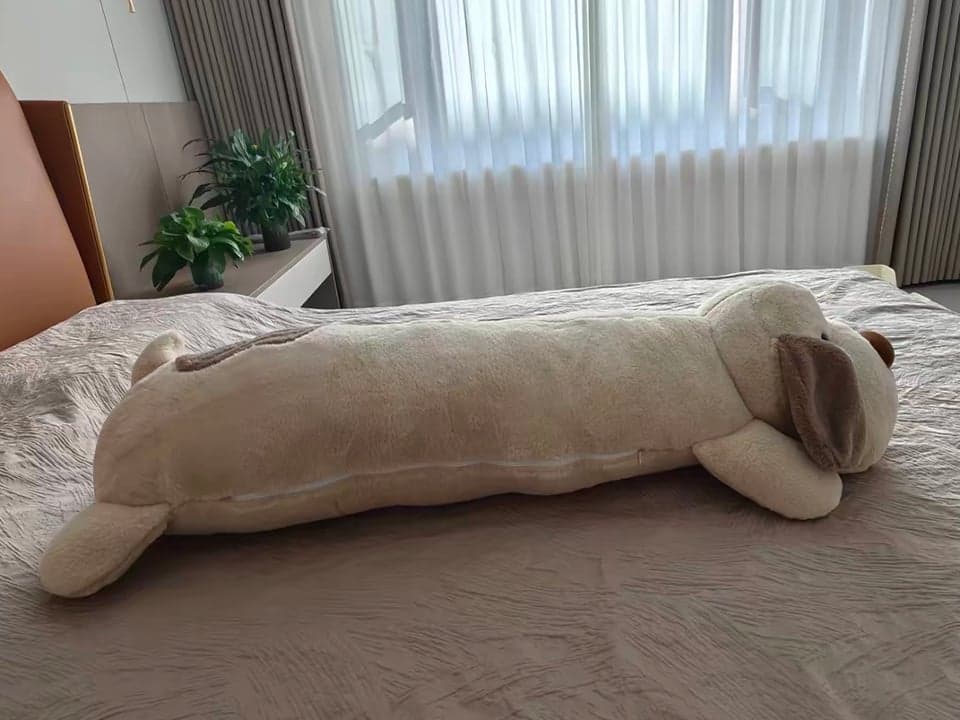
Three things conspire against an easy match. First, media: your screen emits light (RGB), print absorbs it (CMYK), and dyed fabric does something different again. Second, pile: plush fur scatters light and has a nap direction — stroke the same minky one way and it looks lighter, the other way darker — so a flat color chip never fully predicts the fuzzy result. Third, lighting: a color that matches under daylight can drift under store or trade-show lights. None of this is a defect; it's physics, and the process is built to manage it.
Pantone vs CMYK vs RGB
| System | What it is | Used for | Trust for plush production? |
|---|---|---|---|
| Pantone (PMS) | Standardized spot-color reference | Dyed fabric & thread targets | Yes — the reference standard |
| CMYK | 4-color process printing | Dye-sublimation prints | Partly — can't hit ~30% of Pantone (neons, metallics) |
| RGB | Additive screen color | Monitors only | No — device-dependent, never for production |
Pantone is the industry reference because each color has a fixed formula; about 30% of Pantone spot colors simply can't be reproduced in CMYK — which is exactly why dye-sublimation (a CMYK process) can't hit every bright or metallic shade. And a color picked off an RGB screen is the least reliable starting point of all.
How we specify plush color
Color is specified per component, in the tech pack, with a physical reference — never artwork alone:
| Component | Reference used | Note |
|---|---|---|
| Dyed plush fabric | Pantone TPX / TCX (textile chip) | TCX is dyed cotton — the truest fabric standard |
| Embroidery thread | Nearest Pantone thread | Thread palettes are limited — slight deviation is normal |
| Sublimated print | CMYK build from artwork | Can't hit every Pantone; can run paler; no white ink |
| A custom physical swatch | Your own fabric/yarn | Best when an exact existing color must be matched |
Lab dip to bulk: the approval workflow
This is the part that prevents the “it doesn't match” surprise — color is approved on real fabric before bulk, and the approved swatch becomes the law:
- 1Color referencePantone TPX/TCX or your swatch
- 2Lab dip / strike-offFactory dyes trial swatches (usually 3–4)
- 3You approve oneViewed under a standard light box
- 4Golden standard setThe approved swatch is the reference
- 5Bulk matched to itSpectrophotometer + visual vs the golden sample
Dye lots & the ΔE tolerance
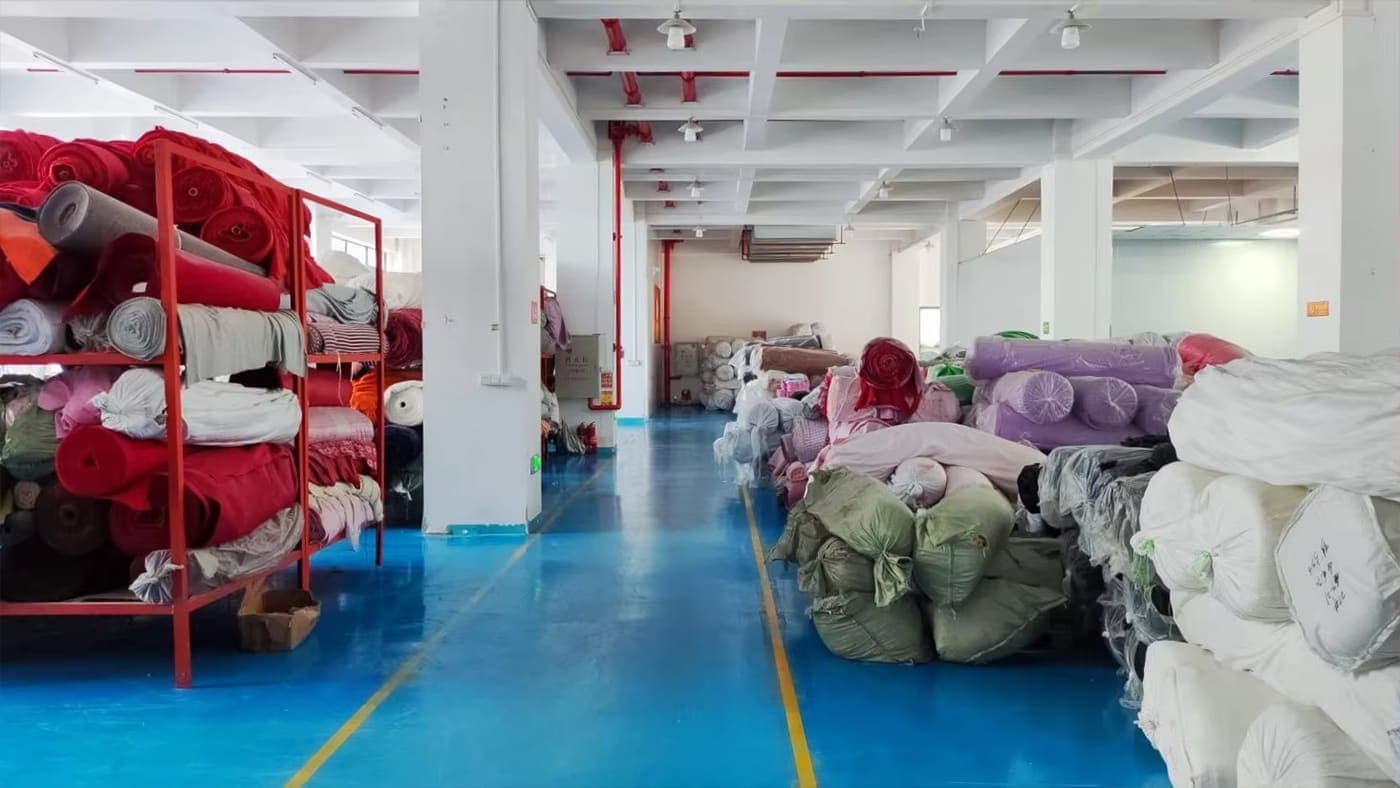
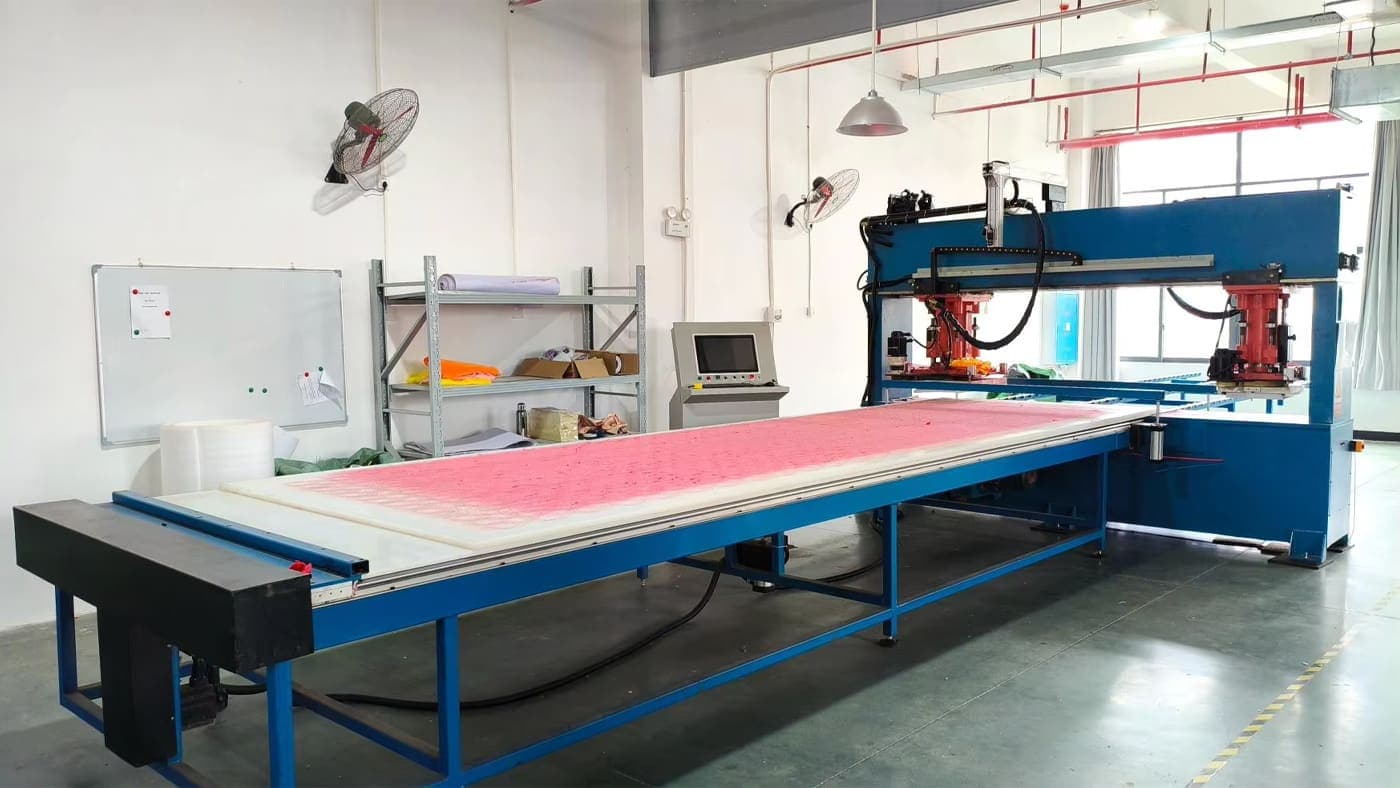
Even with an approved standard, two production runs can differ slightly. A dye lot is fabric dyed in one vat at one time; temperature, dye time and water chemistry mean no two lots are perfectly identical, so factories target a commercial match, not a perfect one. The difference is measured as Delta-E (ΔE) — and these bands are approximate conventions that vary by formula and by what you and the factory agree:
| ΔE (approx.) | What it means | In practice |
|---|---|---|
| ≤ ~1 | Imperceptible to most people | Effectively a perfect match |
| ~1–3 | Perceptible only on close/side-by-side view | A good commercial match |
| ~3–5 | Noticeable but often acceptable | Common ceiling for printing/textiles |
| > ~5 | Clearly different | Usually a reject |
Treat these as guidance, not law — the exact tolerance should be agreed up front, and color sits inside QC as a (usually cosmetic) inspection point in our QC & AQL guide.
Judging color the right way: the D65 light box
Two colors can match under one light and clash under another — metamerism. To avoid that, approved color is judged in a standard light box under D65(daylight ~6500K), ideally checked against a second light (like a store-style lamp) to catch a metameric mismatch. So it's worth agreeing the viewing light explicitly. More on metamerism here.
The buyer's color playbook
- Specify by chip, not screen — a Pantone TPX/TCX (or physical swatch) per color zone.
- Approve a physical lab dip / strike-off — not a render.
- Agree a tolerance — a reasonable commercial match (a ΔE / visual standard), not perfection.
- Lock the golden sample — bulk is judged side-by-side against it.
- Mind dye lots on reorders — request the same lot where possible, or re-approve a new dip.
It all rides on the tech pack getting the references right — see our tech-pack guide and how the fabric itself behaves in our fabric & materials guide.
Get the color right the first time
Send us your Pantone references or a physical swatch and we'll lab-dip, strike-off and lock a golden sample under a D65 light before bulk. Start on our contact page or request a sample.
Häufig gestellte Fragen
Why doesn't my finished plush match the artwork or the Pantone chip?
What is a dye lot, and why do colors vary between batches?
What is a lab dip / strike-off?
Can you match any color exactly?
Why does my plush look 'off' at home or at a trade show?
Bereit für Ihr eigenes Custom-Plüschtier?
Beschreiben Sie kurz Ihr Projekt — Sie erhalten innerhalb von 1 Geschäftsstunde ein Angebot direkt ab Fabrik.