Turn a Drawing or Photo into a Custom Plush Toy: The Complete Guide
How a child's drawing, a photo or a pet becomes a real plush — the studio workflow, what makes a good source drawing, honest cost & MOQ, turnaround, and kids' safety.

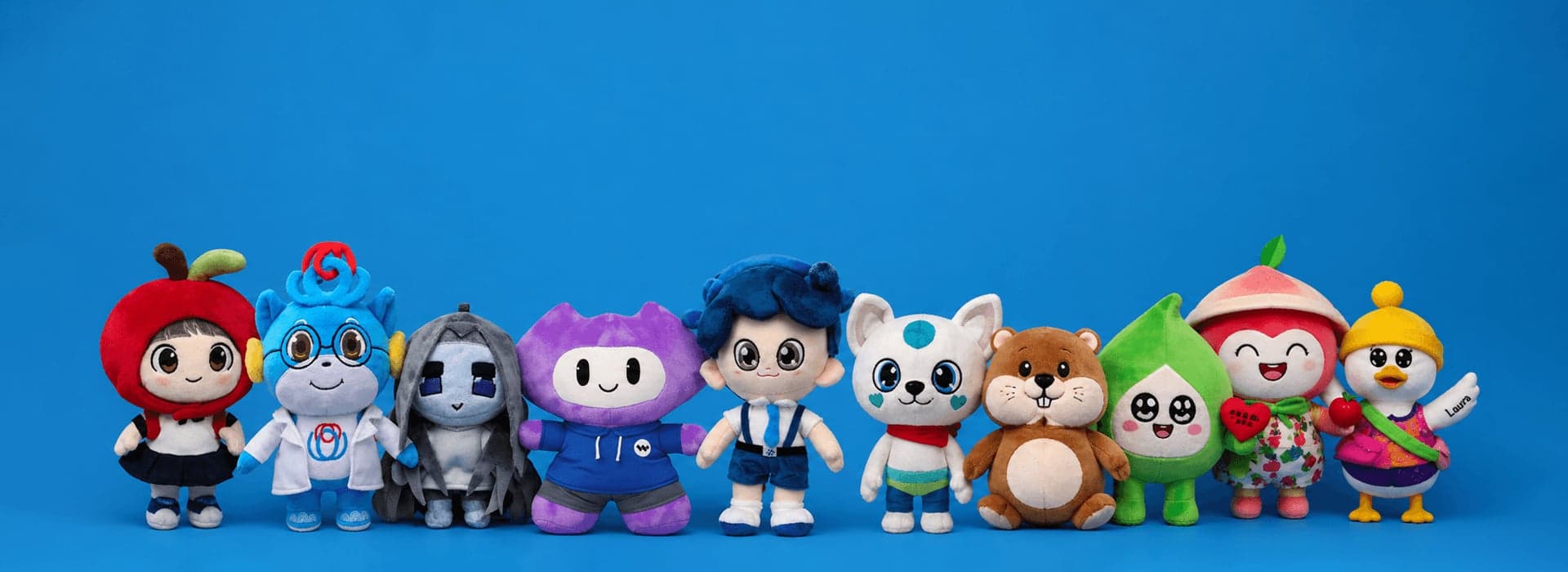
A child's monster drawing, a photo of the family dog, a logo character scribbled on a napkin — turning a flat picture into something you can actually hug is one of the most magical things a plush factory does. It's also a real manufacturing problem, not a one-click upload. This is the honest, studio-side guide: what translates well, how the 2D-to-3D process actually works, what it costs, how long it takes, and how to keep it safe for kids.
From scribble to snuggle: what's actually possible
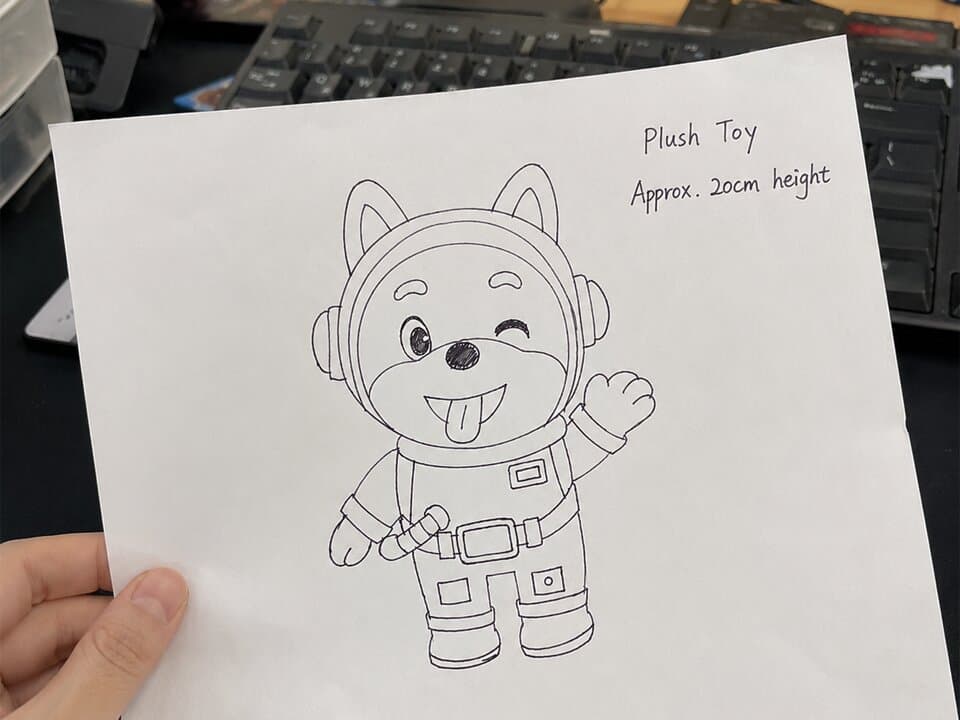
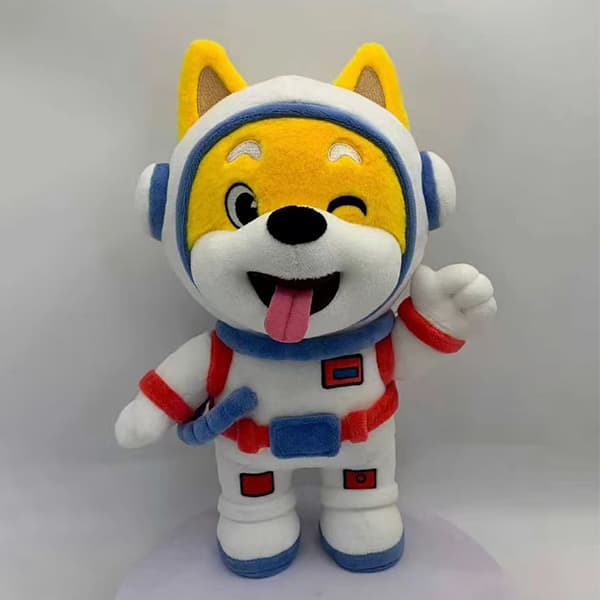
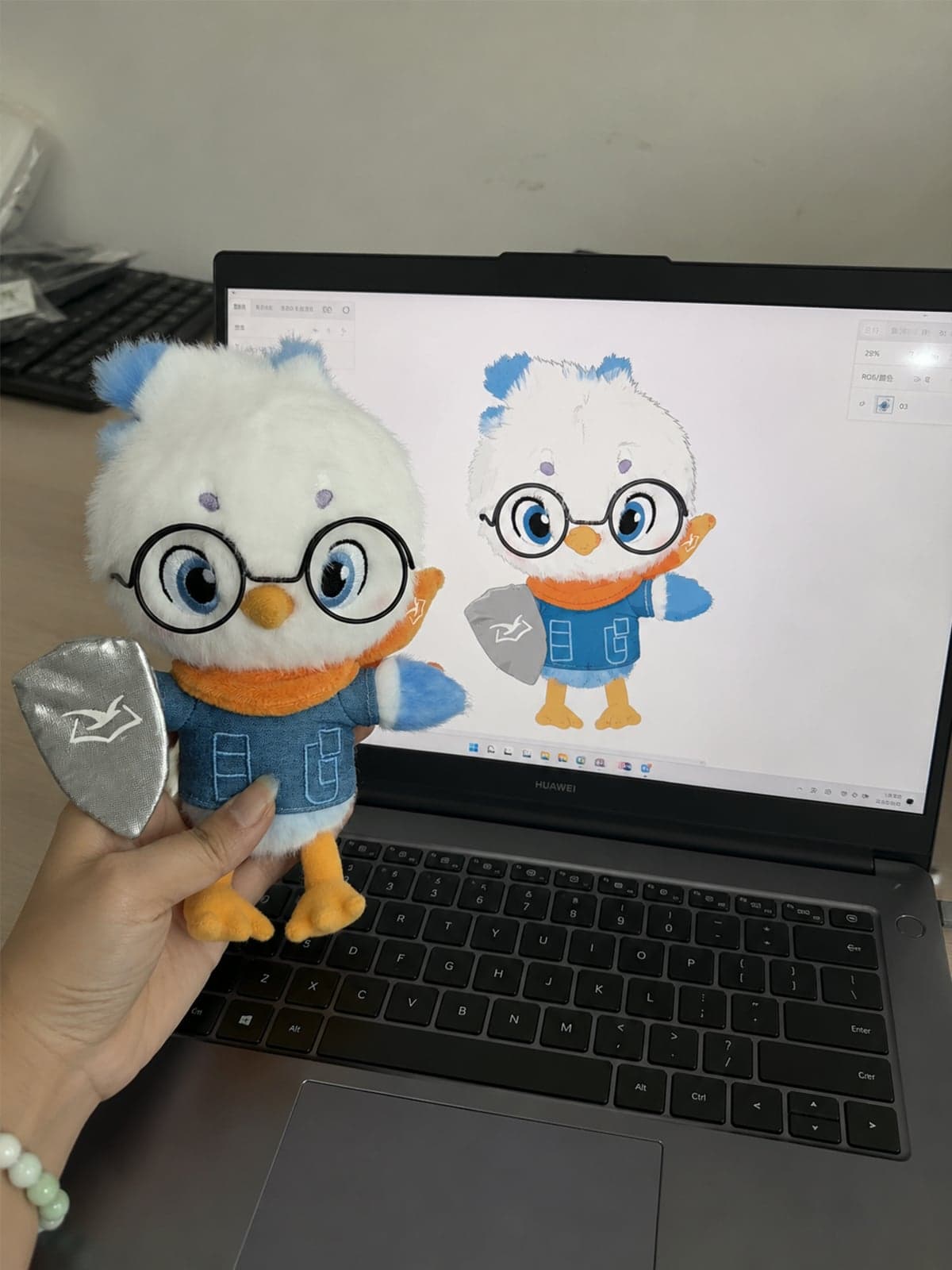
Almost any drawing can become a plush. The question is never “can you make this?” — it's “how faithfully will the 3D, sewn, stuffed version read?” A drawing lives in two dimensions with infinitely thin lines and perfect gradients; a plush is a soft, rounded, sewn object made from a handful of fabric panels and thread. The art of it is the translation, and the single most persuasive proof is a side-by-side:
What makes a great source drawing (and what doesn't)
You don't need to be an artist — you need a clear, bold shape. Here's what helps and what fights the fabric:
- Translates beautifully: bold outlines, big simple shapes, a clear front view, and a small number of solid colours. A round body, a friendly face, chunky limbs.
- Gets simplified: very thin arms and legs (hard to stuff and they flop), tiny embroidered text, fine line patterns, and subtle colour gradients — thread can only fake a gradient by blending, so we usually convert these to clean colour blocks.
- For pets and people from a photo: send 2–4 clear, well-lit photos from the front and side, plus notes on pose, ears, tail and any markings. Markings are matched with airbrushing or appliqué.
None of this means “your drawing isn't good enough.” It means a good studio will flag the tricky parts up front and show you how they'll handle them — before you pay for a sample.
Inside the studio: how 2D art becomes a 3D plush
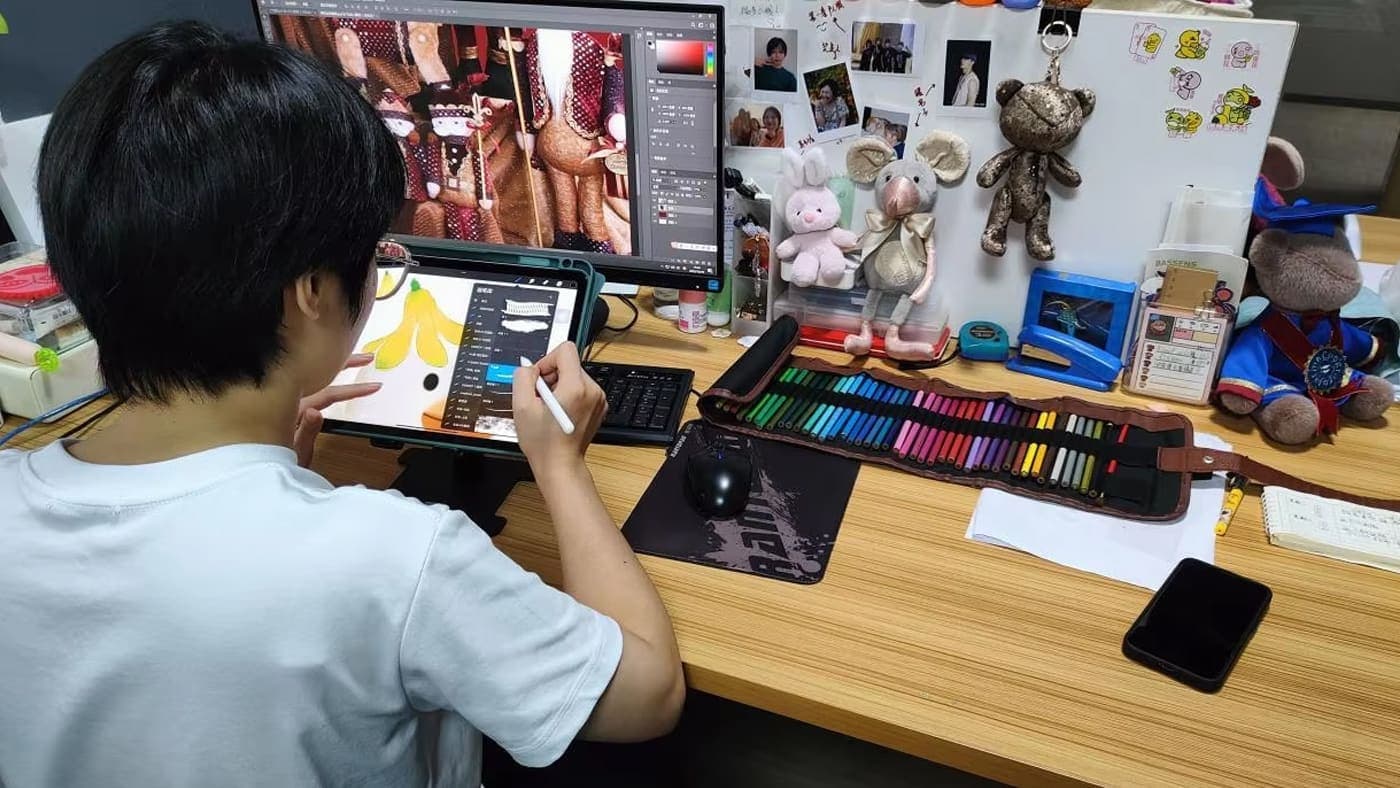
This is the part every competitor hides. Here is the real workflow that turns your picture into a sewn object — and why the “approve a proof before production” step matters so much:
- 1Art review & briefFeasibility, size, Pantone colours, fabric swatches
- 22D pattern makingThree-view drawing split into sewing panels + seam allowance
- 3Material sourcingPlush fabric, fill, thread, safety eyes — in parallel
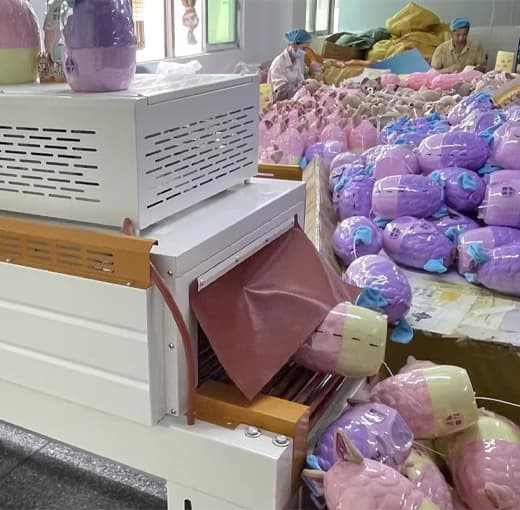
- 4First physical sampleCut, sew, stuff, embroider — then internal QC
- 5RevisionsYou annotate deviations; changes tracked cumulatively
- 6Pre-production sampleBuilt with real bulk materials to confirm it reproduces
- 7Approval → productionSign-off unlocks the bulk run
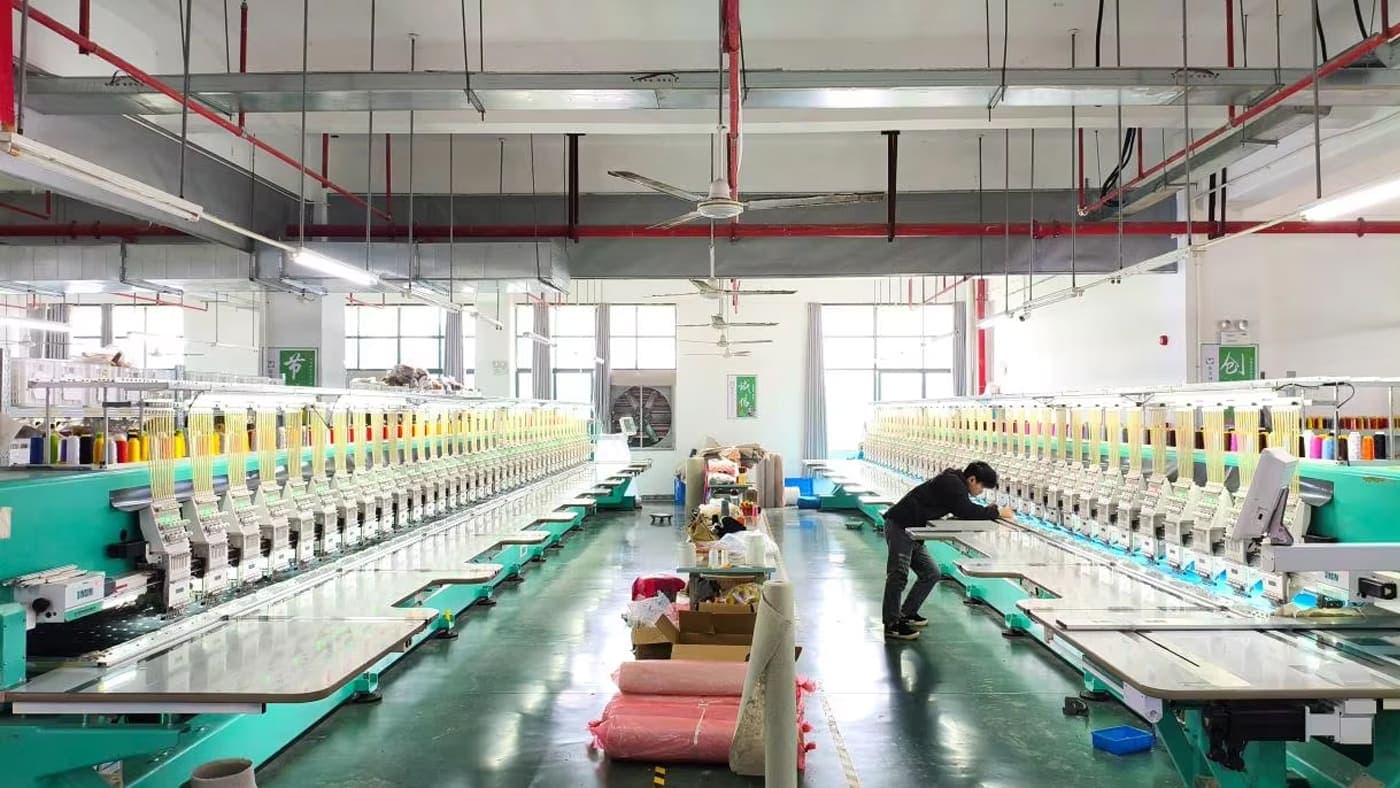
Modern shops often UV-map a 3D model of your character and flatten it into 2D sewing panels with software, which makes complex shapes more accurate. But the human steps — choosing where a seam falls, how dense to stuff a limb, which feature to embroider — are still what separate a charming plush from a lumpy one. For the deeper design document we build along the way, see our guide to the plush tech pack.
Faces, fabrics & feel
Two choices define how your plush reads and how it ages: how the face is made, and what it's made of.
- Embroidered facesare durable, tactile and child-safe — the default for kids' plush. The trade-off is resolution: bold shapes and satin-stitch read cleanly, while hair-thin lines and tiny lettering blur, so designs get adapted to the strengths of thread.
- Fabric / dye printingreproduces fine detail and gradients, so it suits highly illustrated art — but it's less tactile and brings extra chemical-testing duties.
- Fabric: short-pile minky or velboa (≈2–3 mm pile) is soft, low-shedding and holds detail well; longer-pile PV plush gives a shaggier, fluffier look for bigger toys. More on this in our fabric & materials guide.
One keepsake or a whole brand run? MOQ, pricing & timelines
This is the fork in the road, and it changes everything about price and lead time. The setup work — drawing the pattern, digitising the embroidery file, calibrating colours — costs the same whether you make one plush or five thousand. So a single keepsake carries that whole cost; a production run spreads it thin.
| Single keepsake | Brand / merch run | |
|---|---|---|
| Minimum order | 1 (no MOQ) | Commonly 500–1,000 units |
| Typical unit price | ~US$90–150 (14–17 in.) | Drops sharply with volume |
| Setup / sample fee | ~US$100–150, baked in | ~US$100–150, often credited to the order |
| Turnaround | ~2–6 weeks total | ~1–2 wk sample + revisions, then ~18–25 working days bulk |
| Best for | Gifts, memorials, pet replicas, one-of-a-kind | Launching a product, merch, fundraising |
If you're weighing a brand launch, our MOQ & cost-breakdown guide shows exactly where the money goes at each volume tier.
Is it safe for kids? The standards that matter
A plush made from your drawing is still a toy, so if a child will hold it, it should meet real toy-safety law — something every keepsake competitor conveniently skips. In the US that means ASTM F963, made mandatory by the CPSIA; in the EU it means the Toy Safety Directive and the EN 71 standards.
| Market | Standard | What it covers for plush |
|---|---|---|
| United States | ASTM F963 + CPSIA | Small parts / pull test on eyes, fabric flammability, lead ≤90 ppm & phthalate limits, third-party testing |
| European Union | EN 71 (1/2/3) + CE mark | Mechanical/physical, flammability, migration of elements (19 metals), Declaration of Conformity |
| Looking ahead (EU) | Regulation (EU) 2025/2509 | New Toy Safety Regulation replacing 2009/48/EC — applies from 1 Aug 2030 |
For the full picture of how plush is tested and certified, see our plush safety standards guide and how it's verified in our QC & AQL guide.
How to choose a maker (and the red flags)
The trade is full of upload-and-pray websites. A maker worth your drawing will:
- Show you a proof before production — a digital mock-up or, for complex art, a photo of a real sample. Approval-before-bulk is non-negotiable.
- Explain their process instead of hiding it, and be honest about which parts of your drawing will be adapted.
- Talk about compliance— if a maker can't name ASTM F963 or EN 71, they aren't building children's toys properly.
- Be clear about samples and revisions— what a sample costs, whether it's credited, and how many revision rounds are included.
Turn your drawing into a plush
Send us the drawing or the photos, tell us the size and whether you want one keepsake or a production run, and we'll come back with a feasibility note, a mock-up and an honest quote. Start on our contact page, request a custom sample, or browse real results in our customer case portfolio.
الأسئلة الشائعة
Can you really turn any drawing into a plush?
How much does a custom plush from a drawing cost?
How long does it take?
Are these plush toys safe for children?
Do I need a minimum order, or can I get just one?
جاهز لصنع دميتك القطيفة المخصصة؟
أخبرنا بمشروعك واحصل على عرض سعر مباشر من المصنع خلال ساعة عمل واحدة.