Turning a Children's Book Character into a Plush: A Guide for Authors and Illustrators
How self-published authors, illustrators and small presses turn a picture-book character into a plush toy: who holds the merchandise rights, how a painted illustration becomes fabric, the safety rules for young readers, sensible quantities, and how to time it for a book launch.

A plush of the main character is a natural companion to a picture book. Children want to hold the character they have just read about. For a self-published author or a small press, it is also a product that can be made in small quantities. This guide covers what is different about making a plush for a book: rights, staying faithful to the illustration, safety for young readers, and timing it for a launch.
Why authors make a plush
The plush usually does one or more of these jobs:
- A book-and-plush bundle sold on your own site or at events, at a higher price than the book alone.
- A prop for school visits and readings. A character the children can see and pass around keeps a young audience with you.
- A crowdfunding reward tier. A plush is a familiar higher-priced reward for a picture-book campaign.
- A gift for reviewers, librarians and booksellers around the launch.
Decide which of these matters most before you design the plush. It determines the size, the quantity and how much you can spend per piece.
Check the rights first
A character's appearance is protected by copyright, and making a toy of it is a use of that right. Who holds the right depends on how the book was made:
- You wrote and illustrated it yourself and self-published. The rights are normally yours.
- You hired an illustrator. Read the agreement. Unless it transfers the artwork rights to you or grants merchandise use, the illustrator may still hold them.
- A publisher released the book. Publishing contracts often deal with merchandising rights separately. Check which party holds them before you order anything.
This is general information, not legal advice. If your contract is unclear, ask the other party in writing or speak to a lawyer. We ask every customer to confirm that they own the design or have permission to use it. Licensed characters are covered in more depth in our licensed character plush guide.
From illustration to fabric
A picture-book character exists as flat artwork, often painted, and often drawn slightly differently on every page. A plush is one fixed 3D shape made of fabric. The work is in choosing which version of the character to build, and how to carry the style across.
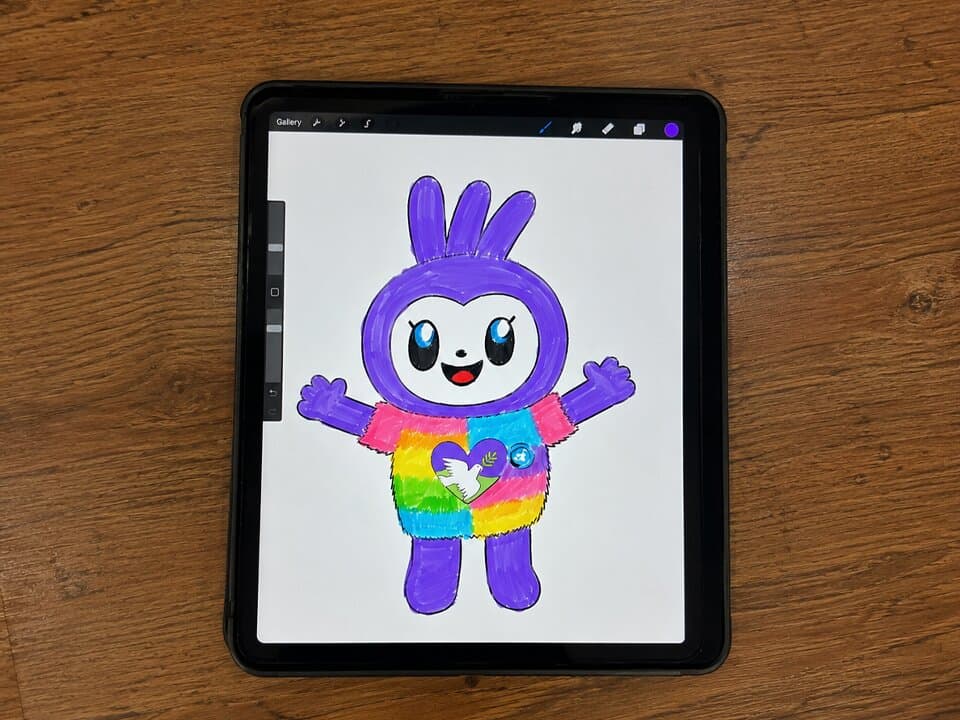
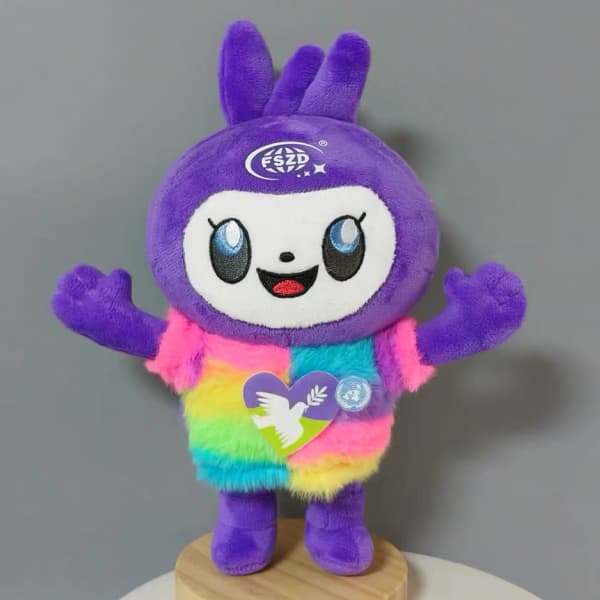
| In the illustration | On the plush | Note |
|---|---|---|
| Watercolour or painted texture | Printed fabric, or a solid fabric in the nearest colour | Printing keeps the painted look; solid plush fabric feels softer |
| Fine pen outlines | Usually dropped, or embroidered as a few key lines | Thin lines disappear into fabric pile |
| Eyes and expression | Embroidery | Holds detail well and is safe for young children |
| Very thin arms, legs or tail | Thickened slightly | Narrow parts are hard to turn and stuff, and can look limp |
| Clothing drawn on the character | Sewn-on or removable clothes, or printed | Removable pieces need extra safety checks for under-3s |
| A pose that changes page to page | One neutral pose, sitting or standing | Pick the pose readers will recognise from the cover |
Send the cover, two or three interior pages that show the character clearly, and a back view if one exists. If the book never shows the character from behind, sketch one or tell us what you imagine. Printing and embroidery are compared in our decoration methods guide, and the whole process from drawing to sample is covered in the sample and revisions guide.
Safety for young readers
This is the part most authors have not met before. A plush made for children is a toy in law, and a toy has to meet the safety rules of the country where it is sold. A small quantity does not change that.
- Age matters most. Picture books are often read to children under 3. For that age group, the US small-parts rule bans parts that could detach and be swallowed, and European rules do the same. In practice: embroidered eyes and nose, no buttons or beads, and reinforced seams.
- United States. Children's products need third-party testing and a Children's Product Certificate, which the importer issues.
- EU and UK. Toys must meet the toy safety requirements and carry the CE or UKCA mark, with the supporting test reports and documentation.
Tell the factory the target age and the countries you will sell in at the start, so the plush is designed and tested for them. The requirements are explained in our safety standards guide and the baby-safe plush guide.
Size, quantity and bundling
- Size. Around 20–30 cm suits a child's hands, sits well beside a picture book in a photo, and is economical to ship. See the size guide.
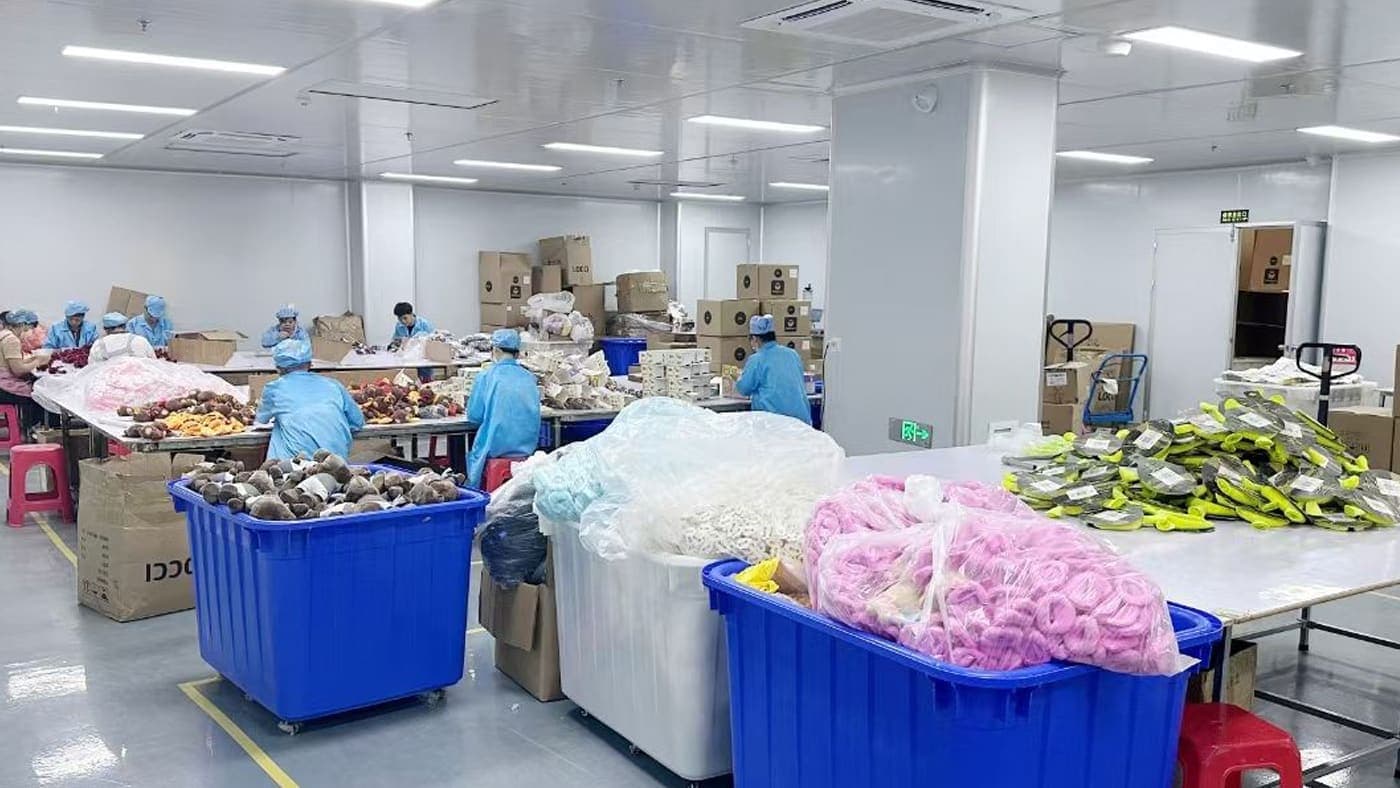
- Quantity. Our minimum is 100 pieces per design. That is a sensible first order for one book. The 100-piece small-batch guide explains how to keep a short run affordable.
- One character first. Each character is a separate design with its own sample and minimum. Start with the lead character and add others once you know the first one sells.
- Hangtag. Use the hangtag to connect the plush to the book: the title, your website and a QR code to where the book is sold. See the hangtags and labels guide.
- Storage. Plush is bulky. A hundred plush toys take up several cartons, far more room than a hundred books. Plan where they will be kept.
Timing it for a book launch
Work back from the date you need the plush in hand, not from the publication date. Typical durations:
| Stage | Typical time | What can extend it |
|---|---|---|
| Quote and artwork review | A few days | Missing views or unclear rights |
| Sampling | 5–7 working days | Custom-dyed colours; courier time to you |
| Your review and revisions | 1–3 weeks | Each extra revision round |
| Mass production | 25–35 days | Late sample approval; peak season |
| Safety testing | Allow 1–2 weeks | A failed test and re-test |
| Shipping by sea | About 25–35 days | Customs clearance, port delays |
| Shipping by air or courier | About 1 week | Higher cost on bulky cartons |
As a rule of thumb, start about four months before you need the plush if it ships by sea, and two to three months if it ships by air. The step authors most often underestimate is their own review time. If the launch is tied to a crowdfunding campaign, the crowdfunding plush guide covers how to set delivery promises you can keep.
Bring your character to life
Send us the cover, a few interior pages, the size you have in mind and the age of your readers. We will tell you what will translate well to fabric and what the sample will cost. Start on our contact page or use the sample request form.
자주 묻는 질문
Can I make a plush of my own book character?
How many plush toys should a self-published author order?
Will the plush look like the illustration?
What safety rules apply to a plush sold with a children's book?
How far ahead of my book launch should I start?
나만의 커스텀 인형 제작을 시작해 보세요
계획 중인 프로젝트를 알려주시면 영업시간 기준 1시간 이내에 공장 직접 견적을 보내드립니다.